
Blog

Your blog category

All Marvel movies in order

MARVEL MOVIES IN CHRONOLOGICAL ORDER If you want to see the Marvel and Avengers movies in order as they happened, starting with the World War II-set Captain America: The First Avenger, we’ve listed all the MCU movies and series in chronological order, in one guide! But first, if you just want an overview of the Marvel Cinematic Universe by release date, we have that right here, as split up by the separate Phases: The Infinity Saga: Phase One (2008-2012) Phase Two (2013-2015) Phase Three (2016-2019) The Multiverse Saga: Phase Four (2021-2022) Phase Five (2023-2024) Phase Six (2025-2027) You can check out our regular feature on all upcoming Marvel movies with key details! Now, on to if you want to watch the MCU chronologically in-universe. So while Iron Man, set and released in 2008, can claim the banner as the first of the Marvel Cinematic Universe, within its story, Chris Evans has got Robert Downey Jr. beat. That’s because Evans’ origin story as Captain America in The First Avenger takes action in 1942. There, we’re also first fully introduced to the Tessarect, an energy cube that initializes the Infinity Saga, climaxing in 2019’s Avengers: Endgame. The next movie set in the timeline is Captain Marvel, the blockbuster with a Blockbuster, set in 1995 with Brie Larson starring as the cosmic Carol Danvers. And then it’s time to hit the start with Iron Man and RDJ’s world-making turn as Tony Stark. The movies can be seen in release order after that, except for 2021’s Black Widow, which is set in the aftermath of 2016’s Captain America: Civil War. Through the epic finale of Endgame (which essentially completed the first 3 phases of the MCU), there was a forward time jump of 5 years, placing most everything in Phase 4 and onward in the near future. Phase 4 started at the movies with Shang-Chi, and has been inviting its lineup of series to really do some heavy lifting, with Loki, Wandavision, Falcon and the Winter Soldier, and Hawkeye pushing the story forward. Then there was the gigantic one-two Spider-Man punch with Far From Home and No Way Home. Moon Knight, Doctor Strange in the Multiverse of Madness, and now Thor: Love and Thunder are all set chronologically by release after that. And now, we’ve added She-Hulk, Secret Invasion, Ant-Man: Quantumania, The Marvels, Echo and more.

All Marvel movies in order Read More »

The Future Demand Skills for Students

The Future Demand Skills for Students: Navigating the Changing Landscape of Work In an era of rapid technological advancement and globalization, the skills required to thrive in the workforce are evolving at an unprecedented pace. Students today must prepare for a future where traditional roles are transformed and new opportunities arise. This article explores the skills that will be in high demand in the coming decades, helping students navigate the changing landscape of work. The Rise of Technology and Automation Technology and automation are at the forefront of the changing job market. According to a report by the World Economic Forum, by 2025, machines and algorithms will perform more tasks than humans, leading to significant shifts in the labor market. While this may render certain jobs obsolete, it will also create new roles and opportunities. Therefore, students must focus on acquiring skills that are less likely to be automated and more aligned with emerging technologies. Key Technological Skills Soft Skills in the Age of Automation While technical skills are vital, soft skills will also play a crucial role in the future job market. These skills are inherently human and cannot be easily replicated by machines. They include: The Importance of Lifelong Learning In the context of rapid technological change, the concept of lifelong learning becomes increasingly important. The skills required today may not be sufficient for tomorrow’s challenges. Therefore, students must embrace continuous learning and be proactive in updating their skillsets. Strategies for Lifelong Learning Interdisciplinary Skills and Holistic Education The future job market will favor those with interdisciplinary skills who can bridge gaps between different fields. A holistic education that combines technical expertise with a broad understanding of various disciplines will be advantageous. Key Interdisciplinary Skills Conclusion The future demands a workforce that is not only technically proficient but also adaptable, creative, and emotionally intelligent. Students must focus on developing a diverse skillset that includes both technical and soft skills, embrace lifelong learning, and pursue a holistic education. By doing so, they can navigate the evolving job market and seize the opportunities presented by the digital age. Preparing for the future requires foresight, flexibility, and a commitment to continuous growth.

The Future Demand Skills for Students Read More »

What Are Digital Products? Selling Digital Products Online.

What Are Digital Products? A Comprehensive Guide to Selling Digital Products Online Introduction In the digital age, the landscape of commerce has dramatically transformed, giving rise to a booming market for digital products. Unlike physical goods, digital products are intangible items that can be sold and delivered online. This shift not only reduces overhead costs but also offers immense flexibility and scalability for businesses and entrepreneurs. This article explores the concept of digital products, their benefits, and a comprehensive list of popular digital products that you can sell online. What Are Digital Products? Digital products are intangible assets or pieces of media that can be sold and distributed online without the need for physical inventory. These products can be downloaded, accessed, or streamed over the internet. The ease of distribution and the minimal cost of replication make digital products highly lucrative for online businesses. Benefits of Selling Digital Products Popular Types of Digital Products to Sell Online Tips for Selling Digital Products Online Conclusion Selling digital products online presents a unique opportunity for entrepreneurs and businesses to reach a global audience with minimal overhead costs. Whether you are a writer, designer, musician, or educator, there is a digital product that can help you monetize your skills and knowledge. By understanding the different types of digital products and leveraging effective marketing strategies, you can build a successful online business that thrives in the digital marketplace. list of various digital products you can sell online Selling digital products online is a popular and profitable venture, as these products can be delivered instantly and have low overhead costs. Here’s a list of various digital products you can sell online: Selling these digital products can be done through various platforms such as your own website, marketplaces like Etsy or Amazon, or specialized platforms like Udemy for courses and Shutterstock for photos.

What Are Digital Products? Selling Digital Products Online. Read More »

YouTube Channel Ideas and Niche Markets

Exploring Unique YouTube Channel Ideas and Niche Markets Title: Unlocking Success: Exploring Unique YouTube Channel Ideas and Niche Markets Introduction: In the vast landscape of online content creation, YouTube continues to be a powerhouse, providing a platform for individuals to showcase their creativity, share expertise, and connect with a global audience. For aspiring content creators, finding the right YouTube channel idea and niche is crucial for standing out in this competitive digital space. This article aims to explore a variety of unique and engaging YouTube channel ideas across different niches, offering inspiration for those looking to carve their niche in the ever-expanding world of online content. 1. Educational Channels: a. Language Learning Tutorials:With globalization on the rise, language learning is a valuable skill. A YouTube channel dedicated to teaching languages, providing tips, and offering cultural insights can attract a diverse and engaged audience. b. STEM Education for Kids:Create a channel that simplifies science, technology, engineering, and math concepts for children. Engaging visuals, experiments, and interactive lessons can make learning fun for young minds. c. DIY Craft and Art Tutorials:Cater to the artistic community by sharing DIY craft projects and art tutorials. From simple crafts for beginners to advanced art techniques, this niche appeals to a wide audience. 2. Lifestyle and Hobbies: a. Travel Vlogging:Capture your adventures and share travel tips, itineraries, and cultural experiences. Travel vlogging allows you to showcase different destinations while offering valuable insights to fellow travelers. b. Fitness and Wellness:Share your fitness journey, workout routines, and healthy living tips. This niche not only motivates others but also creates a supportive community around health and wellness. c. Home Gardening:Cultivate a community interested in gardening by providing tips on growing plants, maintaining a garden, and creating a sustainable and beautiful outdoor space. 3. Technology and Gaming: a. Tech Reviews and Unboxings:Stay on top of the latest gadgets and tech trends by creating a channel dedicated to reviews, unboxings, and tech-related tutorials. Establishing authority in this niche can attract tech enthusiasts and consumers alike. b. Let’s Play and Gaming Commentary:Dive into the world of gaming by creating a channel where you play and comment on popular video games. Engage with a community of fellow gamers, sharing strategies, reactions, and gaming experiences. c. Programming and Coding Tutorials:With the increasing demand for tech skills, create a channel offering programming and coding tutorials. From beginner-friendly guides to advanced coding challenges, this niche caters to a growing audience of aspiring developers. 4. Niche Markets: a. Book Review and Literary Analysis:Appeal to avid readers by creating a channel dedicated to book reviews, literary discussions, and recommendations. Dive deep into genres, themes, and literary analysis to attract a book-loving audience. b. Ethical and Sustainable Living:Address the growing interest in sustainable living by creating content about eco-friendly practices, sustainable fashion, and ethical consumerism. Build a community passionate about making positive environmental choices. c. Pet Care and Training:Appeal to pet lovers by creating a channel focused on pet care, training tips, and adorable pet stories. This niche can encompass a wide range of animals, from dogs and cats to exotic pets. Conclusion: Finding the right YouTube channel idea and niche is a personal journey that aligns with your passions, skills, and target audience. Whether you’re educating, entertaining, or connecting with a community, the key is authenticity and consistency. As the digital landscape continues to evolve, content creators have the opportunity to explore and innovate within these niches, creating unique channels that resonate with audiences worldwide. Remember, the most successful channels are often those that combine passion with a deep understanding of their audience’s needs and interests. So, embark on your content creation journey, and let your creativity shine in the vast world of YouTube. Certainly! Coming up with a YouTube channel idea depends on your interests, skills, and target audience. Here are some broad categories and specific ideas within those categories that you can consider: Remember to choose a niche that aligns with your interests and expertise. Consistency and authenticity are key on YouTube, so choose something you’re passionate about and enjoy creating content around. Selecting a niche for your YouTube channel is a crucial decision that depends on your interests, expertise, and the target audience you want to reach. Here are some more specific niche ideas within broader categories: When selecting a niche, consider your passion for the topic, the existing competition, and the potential audience. It’s essential to strike a balance between a niche that has a target audience but isn’t oversaturated, allowing you to stand out and build a dedicated viewership.

YouTube Channel Ideas and Niche Markets Read More »

Wish You 2024: Recognizing the Dominance of Artificial Intelligence

As the calendar turns its pages and the dawn of 2024 breaks upon us, it’s evident that we’re not merely stepping into another year but perhaps witnessing a transformative epoch in human history. With every year, our ambitions, technologies, and desires evolve. This year, more than any other, seems to be marked by the unmistakable dominance and impact of Artificial Intelligence (AI). Thus, as we pen down our wishes and aspirations for this year, it is paramount to recognize and address the centrality of AI in shaping our future. The Rise and Rise of AI Artificial Intelligence, once a figment of science fiction, has permeated every facet of our existence. From healthcare and finance to entertainment and education, AI’s algorithms, models, and systems have become ubiquitous. The sheer volume of data generated daily, coupled with advancements in machine learning and deep learning, has propelled AI from the fringes of technological wonder to the heart of global innovation. Wishes for 2024: A Year Dominated by AI Conclusion As we embark on the journey that is 2024, let us recognize the transformative potential of Artificial Intelligence. While AI presents unparalleled opportunities for progress and innovation, it also poses profound questions and challenges. By making informed, ethical, and visionary wishes for this year, we can harness the power of AI to shape a future that is inclusive, sustainable, and harmonious. Here’s to a year where AI truly belongs to all of humanity. This year belongs to Artificial intelligence

Wish You 2024: Recognizing the Dominance of Artificial Intelligence Read More »

Best Ways to Earn Money Online from Home

Best Ways to Earn Money Online from Home

Best Ways to Earn Money Online from Home The digital age has ushered in unprecedented opportunities for individuals to earn money from the comfort of their homes. Whether you’re looking for a full-time income source or just some extra cash, the online world is teeming with possibilities. Here’s a comprehensive guide on some of the best ways to earn money online from home. 1. Freelancing a. Writing & Content Creation: Websites, blogs, and online publications constantly require fresh content. If you have a knack for writing, consider offering services as a freelance writer, copywriter, or content creator. b. Graphic Design: With businesses moving online, the demand for graphic design services has surged. Platforms like Behance and Dribbble can help showcase your portfolio. c. Web Development: As the backbone of the digital world, web developers are always in demand. From simple website setups to complex web applications, there’s ample opportunity. 2. Online Tutoring & Consulting a. Academic Tutoring: If you’re proficient in subjects like mathematics, science, or languages, platforms like Chegg Tutors or Tutor.com can be lucrative. b. Skill-Based Coaching: Whether it’s music, art, or professional skills like digital marketing or coding, platforms like Udemy or Teachable allow you to create and sell courses. 3. E-commerce & Online Selling a. Dropshipping: Start an online store without holding inventory. Platforms like Shopify combined with Oberlo can help automate product sourcing and fulfillment. b. Handmade Crafts: Websites like Etsy are a haven for artisans and craft enthusiasts to sell unique handmade items. 4. Affiliate Marketing Promote products or services of other companies and earn a commission for every sale made through your referral link. Platforms like Amazon Associates or ClickBank offer vast product ranges to choose from. 5. Blogging & Content Monetization Starting a blog or YouTube channel on a niche topic can be a long-term investment. Once you’ve built a substantial audience, you can monetize through ads, sponsored content, or affiliate marketing. 6. Stock Photography & Videography If you have a passion for photography or videography, platforms like Shutterstock or Getty Images allow you to sell your work to a global audience. 7. Virtual Assistance & Online Services Businesses and entrepreneurs often require assistance with tasks ranging from administrative duties to digital marketing. Offer services like social media management, email handling, or customer support. 8. Online Surveys & Reviews While not as lucrative as other methods, websites like Survey Junkie or Swagbucks offer rewards for completing surveys, watching videos, or testing products. 9. Mobile App Development With the surge in mobile usage, developing a useful app can be profitable. Platforms like Google Play Store or Apple App Store offer avenues for app distribution. 10. Cryptocurrency & Stock Trading For those with a knack for finance and risk appetite, trading cryptocurrencies or stocks can be profitable. However, it’s essential to educate oneself thoroughly and be aware of the risks involved. Tips for Success: Conclusion: Earning money online from home offers flexibility, convenience, and vast potential. However, like any endeavor, it requires dedication, perseverance, and continuous effort. By leveraging your skills, staying informed, and embracing opportunities, you can carve a rewarding path in the digital realm.
Best Ways to Earn Money Online from Home Read More »

Omegle Shuts Down after 14 years

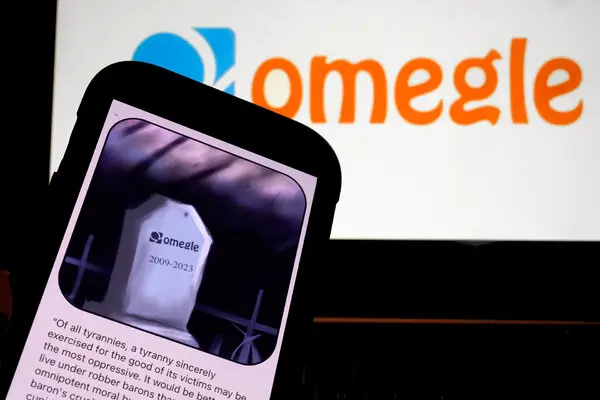
Omegle, a popular website that allowed people to chat, talk and interact with strangers from all over the world, has shut down after 14 years. The website’s owner- Leif K-Brooks, said he made the decision because “stress and expense of operating Omegle, and fighting its misuse – are simply too much.” Founded in 2009, Omegle was a platform that allowed users to interact with random people on the internet without having to reveal any details about themselves. The anonymous online chat service did not require users to register to chat, which might be one of the reasons why the service gained massive popularity. The online chat service saw an increase in usage during the COVID-19 pandemic, as many people were stuck in the vicinity of their homes and couldn’t talk or meet with others. Omegle users could choose if they want to engage with strangers via text, voice or videos. The platform also had an ‘Add your interests’ option where people could narrow down their search to meet people with similar interests. However, the online chat service often found itself in hot waters, with users often complaining about paedophilia, racism, abuse and sexism. In the last few years, Omegle has also seen a multi-fold rise in child sex abuse and nudity. While Omegle tried to fix the issue by introducing moderated chat rooms, working with law enforcement agencies and increasing the minimum age limit from 13 to 18 years, the problem was that there was no age verification process and most people engaged in nudity and racism faced no consequences. Omegle, a chat service that pairs users with a random person so they can talk via text or video, is shutting down. Leif K-Brooks, who launched the service when he was 18 years old, announced its closure and talked about its humble beginnings, as well as how it grew organically because “meeting new people [is] a basic human need.” While he didn’t delve into the specific reasons for Omegle’s shutdown, he admitted that “some people misused [the service], including to commit unspeakably heinous crimes.” Critics have raised concerns about the website’s safety over the past years, with some even calling it a “magnet for pedophiles.” In 2021, an American woman sued the website for pairing her with a person who coerced her into sending explicit images for three years, starting when she was just 11 years old. Her legal team said that the way the platform works allows it to become a “hunting ground for predators.” Last year, two men in the US were sentenced to federal prison for exploiting children they met on apps, including Omegle, forcing them to perform sexual acts and to send them explicit photos and videos. A BBC investigation also revealed a rise in cases of users exposing themselves on Omegle chat. These users included minors, because while the website is technically meant for use by people 18 and older, it has no age verification in place. In his farewell note, K-Brooks said he worked with law enforcement agencies, as well as “the National Center for Missing and Exploited Children, to help put evildoers in prison where they belong.” His website, he said proactively collected evidence against these people and tipped authorities to put them in jail. However, he said the fight against crime is “a never-ending battle” and that the “world has become more ornery” in recent years. He also said that there’s been “a constant barrage of attacks on communication services… based on the behavior of a malicious subset of users.” In the end, he found the “existing stress and expense of operating Omegle, and fighting its misuse” to no longer be sustainable, both financially and psychologically. “Frankly, I don’t want to have a heart attack in my 30s,” he added.

Omegle Shuts Down after 14 years Read More »

How Much Does It Cost to Make a Small Website?

How Much Does It Cost to Make a Small Website? In the digital age, having an online presence is crucial for businesses, organizations, and individuals. A website is often the first point of contact between you and your audience, making it an essential tool for marketing, communication, and information dissemination. However, when it comes to creating a website, one of the most common questions is: “How much does it cost?” This article explores the factors that influence the cost of building a small website and provides insights into the different components involved. Defining a Small Website Before delving into the cost considerations, it’s essential to define what constitutes a small website. Small websites typically have a limited number of web pages and straightforward functionalities. These websites are suitable for individuals, small businesses, portfolios, blogs, or informational sites. Generally, a small website contains approximately 5 to 20 pages. Factors Influencing Website Cost The cost of creating a small website can vary significantly based on several key factors. Here are the primary considerations that influence the overall cost: 1. Website Type The type of website you want to create is a significant factor in determining the cost. Common types include: 2. Design and Development The design and development of your website have a substantial impact on the cost. If you choose a custom design, it will be more expensive than using pre-made templates. Likewise, the complexity of development, such as integrating advanced features or third-party services, can raise the cost. 3. Domain and Hosting Acquiring a domain name (your website’s address) and selecting a hosting plan are ongoing costs. Domain prices can range from a few dollars to several hundred per year, while hosting fees depend on the provider and the plan you choose. 4. Content Creation Creating content, including text, images, and videos, is essential for your website. You can choose to create this content yourself, hire a professional, or use stock media, each of which carries its own cost. 5. Maintenance and Updates Websites require regular maintenance and updates to stay secure and functional. Consider the cost of maintaining your site over time, including potential software updates, security measures, and content updates. Estimating Website Costs Now that we’ve identified the main cost factors, let’s provide some estimates for a small website: 1. Domain and Hosting 2. Design and Development 3. Content Creation 4. Maintenance and Updates 5. Additional Features If you require specific features like e-commerce functionality, contact forms, or social media integration, these can add anywhere from $100 to $2,000 or more to the overall cost. Total Cost Estimate Taking the estimates into consideration, a basic small website might cost between $500 and $10,000 for the first year. This includes domain registration, hosting, a template-based design, content creation, and basic maintenance. Keep in mind that ongoing expenses for hosting, maintenance, and updates will continue beyond the first year. Reducing Costs There are several ways to reduce the cost of creating a small website: Conclusion The cost of creating a small website can vary widely depending on your needs and preferences. By understanding the factors that influence the cost and making informed choices, you can develop a small website that suits your goals and budget. Remember that while the initial expenses are essential, ongoing costs for maintenance and updates should also be considered to ensure the long-term success of your website. Whether you’re creating a personal blog, a small business site, or an e-commerce platform, there’s a website solution that can fit your needs and budget. Keep in mind that these are rough estimates, and the actual cost of creating a website can be higher or lower depending on your specific requirements. It’s essential to define your project’s scope, objectives, and budget before embarking on the website creation process. Additionally, consider ongoing costs for hosting, domain renewal, and maintenance to ensure your website’s sustainability and security.
How Much Does It Cost to Make a Small Website? Read More »

Fake Loan Apps A Growing Threat

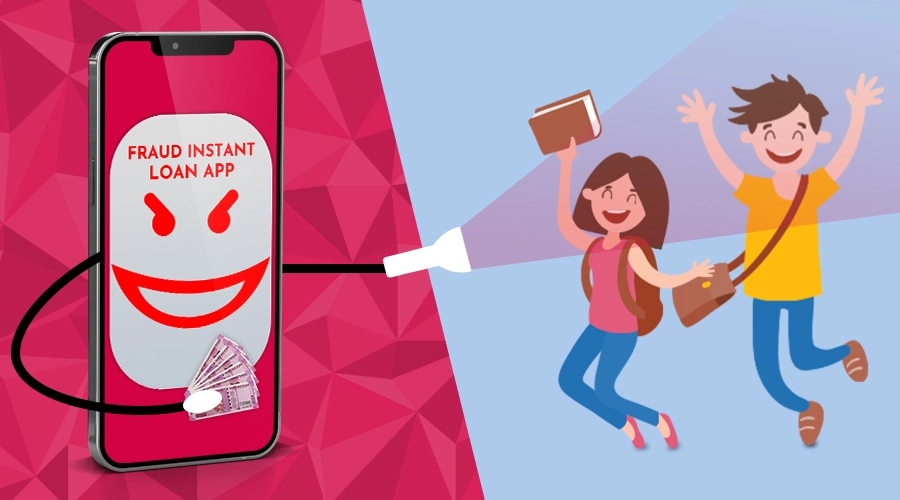
Dangers of Fake Loan Apps: A Growing Threat In recent years, the digital landscape has witnessed a proliferation of financial technology (fintech) applications that promise quick and easy access to loans. While many legitimate loan apps have made it more convenient for individuals to access credit, there is an alarming rise in fake loan apps that prey on unsuspecting users. These rogue applications pose significant risks to users’ financial stability, personal data security, and overall well-being. In this article, we will explore the dangers of fake loan apps, shedding light on the various ways they exploit and harm users. I. Deceptive Practices: Luring Users into a Trap 1. False Promises of Instant Loans Fake loan apps often attract users with the promise of instant loans, claiming to disburse funds within hours or even minutes. These enticing offers prey on the desperation of individuals in need of quick financial assistance. 2. Minimal Documentation Requirements To further deceive potential victims, these apps advertise minimal documentation and lenient eligibility criteria. In reality, they rarely require any documentation, which should be a red flag for users. 3. No Credit Checks Many fake loan apps market themselves as a haven for those with poor credit histories, claiming not to perform credit checks. In reality, this is often a ploy to lure users into their fraudulent scheme. II. Unethical Terms and Exorbitant Interest Rates 1. Hidden Charges Fake loan apps frequently hide exorbitant processing fees and hidden charges in the fine print of their terms and conditions. Users may only discover these costs after falling into the trap. 2. High Interest Rates One of the most significant dangers posed by fake loan apps is the astronomical interest rates they impose. These rates can trap users in a cycle of debt that is challenging to escape. 3. Short Repayment Periods To maximize their profits, fake loan apps often set extremely short repayment periods. Users who struggle to meet these deadlines face severe consequences. III. Privacy Invasion and Data Theft 1. Unauthorized Data Access Many fake loan apps require access to sensitive information, such as contact lists, call logs, and even personal photographs. This information is then exploited for malicious purposes, including harassment and identity theft. 2. Blackmail and Extortion In some instances, these apps engage in blackmail and extortion by threatening to release a user’s personal data or images unless they make additional payments or perform certain actions. 3. Selling Personal Data The stolen data is often sold on the black market, contributing to a thriving underground economy of personal information trading. IV. Harassment and Coercion 1. Aggressive Collection Practices Fake loan apps have been known to employ ruthless tactics to recover funds. They frequently engage in constant and aggressive collection calls and messages, causing immense stress and anxiety for users. 2. Impersonation and Threats Some fraudulent apps go as far as impersonating law enforcement or government officials, making false legal threats to intimidate users into paying. V. Legal and Regulatory Challenges 1. Evading Law Enforcement The developers behind fake loan apps often operate in the shadows, making it challenging for law enforcement agencies to track and apprehend them. They frequently change the app’s name, appearance, and location to avoid detection. 2. Weak Regulatory Framework In some regions, a lack of robust regulations governing fintech and digital lending platforms allows these rogue applications to thrive. VI. User Education and Prevention 1. Verifying App Legitimacy Users can protect themselves by thoroughly researching and verifying the legitimacy of a loan app before downloading and using it. Reading user reviews and checking for official approvals from financial regulators can be helpful. 2. Protecting Personal Data Users should be cautious about granting unnecessary permissions to apps, especially for personal data access. They should regularly review and update app permissions on their devices. 3. Reporting Suspicious Apps In case of encountering a suspicious or fraudulent loan app, users should promptly report it to the relevant authorities and app stores. This can aid in its removal and legal action against the perpetrators. Conclusion Fake loan apps represent a growing menace in the digital finance landscape, preying on the vulnerabilities and desperation of individuals in need of financial assistance. These applications employ deceptive practices, unethical terms, and invasive actions that can lead to financial ruin, privacy breaches, and psychological distress. To safeguard against the dangers of fake loan apps, users must exercise caution, verify app legitimacy, and report any suspicious activity. It is crucial for governments and regulatory bodies to implement stronger oversight and regulations to combat this growing threat to the financial well-being and personal security of individuals worldwide.

Fake Loan Apps A Growing Threat Read More »

Dangers of Fake Loan Apps

The Hidden Dangers of Fake Loan Apps: Staying Safe in the Digital Loan Jungle In today’s fast-paced digital age, accessing financial services has become easier than ever. Thanks to the rise of mobile apps, you can now apply for loans with just a few taps on your smartphone. While this convenience is undoubtedly a game-changer, it also brings with it a set of hidden dangers, especially in the form of fake loan apps. In this article, we will delve into the world of digital loans and explore the risks associated with fake loan apps. We will also provide you with essential tips on how to stay safe in this digital loan jungle. The Digital Loan Revolution The advent of digital lending platforms has transformed the way people access credit. No longer are you required to visit a bank, fill out endless paperwork, and wait for days to receive a loan approval. Instead, digital loan apps have streamlined the process, offering quick, hassle-free access to funds. These apps often use advanced algorithms to evaluate your creditworthiness and determine your eligibility for a loan in minutes. The Dark Side of Digital Loans: Fake Loan Apps While legitimate digital loan apps have simplified the borrowing process, they’ve also paved the way for the emergence of fake loan apps. These fraudulent applications imitate the appearance and functionality of genuine lending platforms, luring unsuspecting users into their traps. The consequences of falling victim to such scams can be severe and far-reaching. How Fake Loan Apps Operate Fake loan apps typically follow a modus operandi that’s eerily similar to legitimate lending platforms. They advertise themselves as user-friendly, convenient, and lightning-fast sources of financial assistance. Users are enticed by promises of quick approvals and disbursements, even if their credit history is less than perfect. Once a user downloads the app and applies for a loan, they are required to provide personal information and sometimes even sensitive financial details. These fake apps may charge exorbitant processing fees or even demand an initial deposit before disbursing the loan. In some cases, the promised loan never materializes, and the scammers disappear with the user’s personal and financial data. The Risks and Consequences Falling victim to a fake loan app can have serious consequences. Some of the risks associated with these scams include: Staying Safe in the Digital Loan Jungle Given the prevalence of fake loan apps, it’s crucial to take proactive steps to protect yourself from falling into their traps. Here are some strategies to help you stay safe in the digital loan jungle: 1. Research the App Before downloading any loan app, conduct thorough research. Check user reviews, ratings, and the app’s history. Legitimate apps typically have a track record of positive feedback, while fake apps may have low ratings or a short history. 2. Verify the Lender Ensure that the lending platform or financial institution behind the app is authorized and regulated by a relevant government authority. This information should be readily available on the app or the lender’s website. 3. Read the Fine Print Carefully review the terms and conditions, interest rates, and fees associated with the loan. Beware of hidden charges or terms that seem too good to be true. 4. Protect Your Personal Information Only provide necessary information when applying for a loan. Legitimate lenders will not ask for sensitive data like your Social Security number or bank login credentials. 5. Use Reputable App Stores Download loan apps from official app stores like Google Play Store or Apple App Store. These platforms have security measures in place to screen out fake apps. 6. Secure Your Device Keep your smartphone’s operating system and apps updated to ensure you have the latest security patches. Use reputable antivirus and anti-malware software to protect your device from potential threats. 7. Report Suspected Scams If you come across a suspicious loan app, report it to the relevant authorities, such as your country’s consumer protection agency or financial regulatory body. 8. Trust Your Instincts If something about an app or loan offer doesn’t feel right, trust your instincts and walk away. It’s always better to be cautious than to risk falling victim to a scam. Conclusion The rise of digital loan apps has undoubtedly made accessing credit more convenient, but it has also opened the door to hidden dangers, including fake loan apps. To stay safe in the digital loan jungle, it’s essential to be vigilant, do your research, and protect your personal information. By following the tips outlined in this article, you can navigate the world of digital loans with confidence, knowing you are safeguarded against potential scams and fraud.

Dangers of Fake Loan Apps Read More »

Scroll to Top