Ancient Greece

Ancient Greece

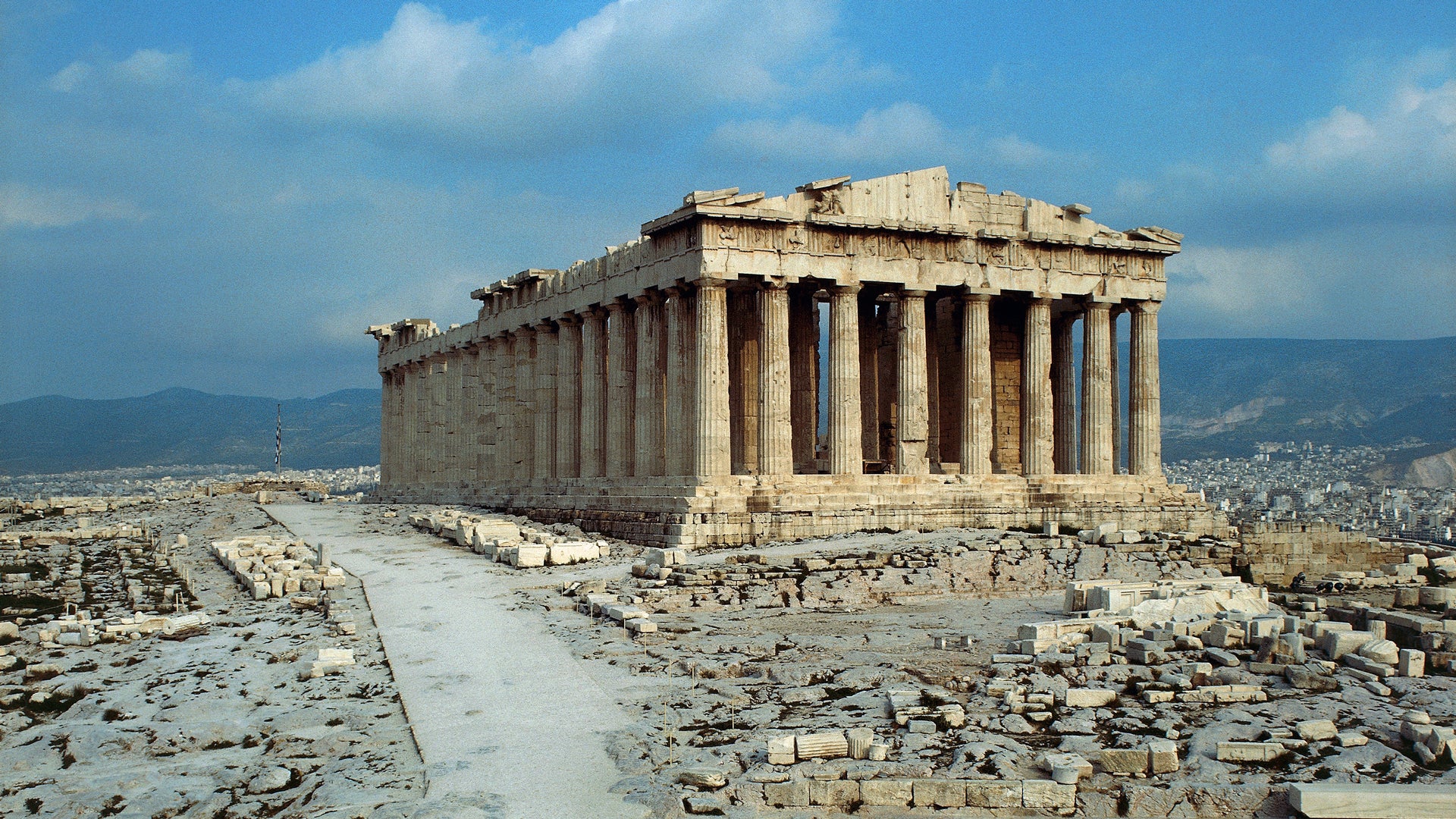
Ancient Greece: A Comprehensive Overview Introduction Ancient Greece, one of the most influential civilizations in history, flourished from around the 8th century BCE to approximately 600 CE. Known for its profound contributions to politics, philosophy, art, and science, Ancient Greece laid the foundation for much of Western civilization. This article provides a detailed exploration of Ancient Greece, covering its geography, history, culture, and enduring legacy. Geography and Early Civilizations The Geography of Ancient Greece Ancient Greece was located in southeastern Europe, encompassing the Balkan Peninsula and numerous islands in the Aegean and Ionian Seas. The region’s mountainous terrain led to the development of isolated city-states, each with its unique government and culture. The sea facilitated trade and cultural exchange, fostering the spread of Greek ideas and influence. Early Greek Civilizations Before the classical period, Greece was home to the Minoan and Mycenaean civilizations. The Minoans, based on the island of Crete (circa 2600-1100 BCE), are known for their advanced architecture, vibrant art, and complex society. The Mycenaeans, who inhabited mainland Greece (circa 1600-1100 BCE), are famous for their role in the Trojan War, as recounted in Homer’s epic poems, the Iliad and the Odyssey. The Archaic Period (circa 800-500 BCE) The Rise of the Polis The Archaic Period saw the emergence of the polis, or city-state, as the fundamental political unit of Ancient Greece. Each polis consisted of a city and its surrounding countryside. Key city-states included Athens, known for its democratic government, and Sparta, renowned for its military discipline. Colonization and Trade During this period, the Greeks established colonies throughout the Mediterranean and Black Seas, driven by the search for arable land and trade opportunities. These colonies facilitated the spread of Greek culture and economic exchange. The Classical Period (circa 500-323 BCE) The Persian Wars The early 5th century BCE was marked by the Persian Wars, a series of conflicts between Greek city-states and the Persian Empire. Key battles included the Battle of Marathon (490 BCE), where the Athenians achieved a surprising victory, and the Battle of Thermopylae (480 BCE), where Spartan King Leonidas and his men heroically resisted the Persian forces. The Greek fleet’s decisive victory at the Battle of Salamis (480 BCE) turned the tide in favor of the Greeks. The Golden Age of Athens Following the Persian Wars, Athens experienced a period of unparalleled cultural and intellectual achievement known as the Golden Age. Under the leadership of Pericles (circa 495-429 BCE), Athens became a center of art, architecture, drama, and philosophy. The Acropolis, adorned with structures like the Parthenon, and the works of playwrights such as Aeschylus, Sophocles, and Euripides exemplify this era. Athenian Democracy Athens is celebrated for developing one of the earliest forms of democracy. Citizens (excluding women, slaves, and foreigners) participated directly in decision-making through the Assembly. This system laid the groundwork for modern democratic practices. The Peloponnesian War (431-404 BCE) Causes and Conflict Rivalry between Athens and Sparta, exacerbated by Athens’ growing power and imperial ambitions, led to the Peloponnesian War. This protracted conflict, chronicled by the historian Thucydides, ultimately resulted in Sparta’s victory but weakened all of Greece. Consequences of the War The Peloponnesian War had devastating effects on the Greek city-states. The prolonged fighting drained resources, fostered political instability, and led to a decline in Greek power and influence. The war also marked the end of the Golden Age of Athens. The Rise of Macedon and Alexander the Great Philip II of Macedon In the aftermath of the Peloponnesian War, the Kingdom of Macedon, under the leadership of Philip II (reigned 359-336 BCE), rose to prominence. Philip reformed the Macedonian army and utilized diplomacy and military prowess to dominate the Greek city-states. Alexander the Great Philip’s son, Alexander the Great (356-323 BCE), embarked on a series of conquests that created one of the largest empires in history. By the time of his death, Alexander had conquered the Persian Empire and extended Greek influence as far as Egypt and India. Hellenistic Period Alexander’s conquests spread Greek culture across a vast territory, leading to the Hellenistic Period. This era saw the fusion of Greek and Eastern cultures, advancements in science and the arts, and the establishment of cities like Alexandria in Egypt, which became centers of learning and culture. Greek Culture and Society Religion and Mythology Greek religion was polytheistic, with gods and goddesses like Zeus, Hera, Poseidon, and Athena playing central roles in myths that explained natural phenomena and human experiences. Religious festivals, such as the Olympic Games, were integral to Greek culture. Daily Life Daily life in Ancient Greece varied significantly between city-states and social classes. In Athens, free citizens engaged in politics, philosophy, and the arts, while women generally had limited public roles. In Sparta, both men and women were expected to prioritize the state’s needs, with men undergoing lifelong military training and women managing households and estates. Education and Learning Education was highly valued in Ancient Greece, particularly in Athens. Boys received formal education in subjects like rhetoric, philosophy, and athletics, preparing them for participation in civic life. In contrast, Spartan education focused on military training and discipline. Greek Achievements and Legacy Contributions to Philosophy Greek philosophers, such as Socrates, Plato, and Aristotle, made profound contributions to Western thought. Socrates developed the Socratic method of questioning, Plato founded the Academy and wrote influential dialogues, and Aristotle’s works on logic, ethics, and natural sciences shaped subsequent intellectual traditions. Advancements in Science and Mathematics Greek scholars made significant advancements in science and mathematics. Euclid’s Elements laid the groundwork for geometry, Archimedes made groundbreaking discoveries in physics and engineering, and Hippocrates is often regarded as the “Father of Medicine.” Artistic and Literary Legacy Greek art and literature have left an enduring legacy. The sculptures and pottery of Ancient Greece exemplify classical ideals of beauty and harmony. Greek drama, with its tragic and comic plays, continues to be performed and studied for its insights into human nature and society. Conclusion Ancient Greece, through its city-states, philosophy, art, and science, laid the

Ancient Greece Read More »

Ancient Greece (Classical Antiquity)

Classical Antiquity: Ancient Greece Introduction Ancient Greece, a civilization that flourished from the 8th century BCE to approximately 600 CE, laid the foundations for many aspects of modern Western culture, including politics, philosophy, art, and science. Known for its city-states, with Athens and Sparta being the most famous, Ancient Greece’s classical period is a testament to human creativity and intellectual achievement. This article provides a comprehensive overview of Ancient Greece during classical antiquity. Geography and Early Settlements The Geography of Ancient Greece Ancient Greece was located in southeastern Europe along the coastlines of the Aegean and Ionian seas. The region’s mountainous terrain led to the development of isolated city-states, or polis, each with its unique government and culture. The sea facilitated trade and communication, helping to spread Greek culture and influence. Early Greek Civilizations Before the classical period, Greece was home to the Minoan and Mycenaean civilizations. The Minoans, based on the island of Crete, are known for their advanced architecture and vibrant art. The Mycenaeans, who inhabited mainland Greece, are famous for their role in the Trojan War, as recounted in Homer’s epic poems, the Iliad and the Odyssey. The Rise of the City-States The Polis The polis, or city-state, was the fundamental political unit of Ancient Greece. Each polis consisted of a city and its surrounding countryside. The most influential city-states were Athens, known for its democratic government, and Sparta, renowned for its military discipline. Athenian Democracy Athens is celebrated for developing one of the earliest forms of democracy. In the 5th century BCE, under the leadership of statesmen like Pericles, Athenian citizens (excluding women, slaves, and foreigners) participated directly in decision-making through the Assembly. This system laid the groundwork for modern democratic practices. Spartan Society In contrast, Sparta was a militaristic society governed by a mixed political system that included two kings and a council of elders. Spartan life focused on rigorous military training and discipline, with an emphasis on loyalty to the state. The helots, a subjugated population, provided agricultural labor, enabling Spartan citizens to concentrate on warfare. The Persian Wars The Threat of Persia In the early 5th century BCE, the Persian Empire, under kings Darius and Xerxes, sought to expand into Greece. This led to a series of conflicts known as the Persian Wars, which unified the often fractious Greek city-states against a common enemy. Key Battles The Persian Wars included several significant battles. At the Battle of Marathon in 490 BCE, the Athenians achieved a surprising victory over the Persians. In 480 BCE, the Spartans famously held off the Persians at the Battle of Thermopylae, although they were ultimately defeated. The Greek fleet’s decisive victory at the Battle of Salamis later that year turned the tide in favor of the Greeks. The Delian League Following the Persian Wars, Athens formed the Delian League, an alliance of Greek city-states aimed at continuing the fight against Persia and protecting Greek interests. This league eventually transformed into the Athenian Empire, with Athens exerting control over its allies. The Golden Age of Athens Pericles and the Golden Age The period following the Persian Wars, particularly during the leadership of Pericles (461-429 BCE), is often referred to as the Golden Age of Athens. This era saw remarkable achievements in art, architecture, drama, and philosophy. Artistic and Architectural Achievements Athens’ Acropolis, a testament to classical architecture, was adorned with magnificent structures such as the Parthenon, dedicated to the goddess Athena. This period also witnessed the flourishing of drama, with playwrights like Aeschylus, Sophocles, and Euripides producing enduring works. Philosophy and Science The Golden Age was also a time of philosophical and scientific inquiry. Socrates, Plato, and Aristotle, three of history’s most influential philosophers, explored questions of ethics, politics, and metaphysics. Their work laid the foundations for Western philosophy and science. The Peloponnesian War Causes and Conflict Rivalry between Athens and Sparta, exacerbated by Athens’ growing power and imperial ambitions, led to the Peloponnesian War (431-404 BCE). This protracted conflict, chronicled by the historian Thucydides, ultimately resulted in Sparta’s victory but weakened all of Greece. Consequences of the War The Peloponnesian War had devastating effects on the Greek city-states. The prolonged fighting drained resources, fostered political instability, and led to a decline in Greek power and influence. The war also marked the end of the Golden Age of Athens. The Rise of Macedon and Alexander the Great Philip II of Macedon In the aftermath of the Peloponnesian War, the Kingdom of Macedon, under the leadership of Philip II, rose to prominence. Philip reformed the Macedonian army and utilized diplomacy and military prowess to dominate the Greek city-states. Alexander the Great Philip’s son, Alexander the Great, ascended to the throne in 336 BCE and embarked on a series of conquests that created one of the largest empires in history. By the time of his death in 323 BCE, Alexander had conquered the Persian Empire and extended Greek influence as far as Egypt and India. Hellenistic Period Alexander’s conquests spread Greek culture across a vast territory, leading to the Hellenistic Period. This era saw the fusion of Greek and Eastern cultures, advancements in science and the arts, and the establishment of cities like Alexandria in Egypt, which became centers of learning and culture. Greek Culture and Society Religion and Mythology Greek religion was polytheistic, with gods and goddesses like Zeus, Hera, Poseidon, and Athena playing central roles in myths that explained natural phenomena and human experiences. Religious festivals, such as the Olympic Games, were integral to Greek culture. Daily Life Daily life in Ancient Greece varied significantly between city-states and social classes. In Athens, free citizens engaged in politics, philosophy, and the arts, while women generally had limited public roles. In Sparta, both men and women were expected to prioritize the state’s needs, with men undergoing lifelong military training and women managing households and estates. Education and Learning Education was highly valued in Ancient Greece, particularly in Athens. Boys received formal education in subjects like rhetoric, philosophy, and athletics, preparing them

Ancient Greece (Classical Antiquity) Read More »

Scroll to Top