Nature

What is Environment

What is Environment Understanding the Environment: A Comprehensive Overview The environment is a complex and multifaceted concept that encompasses everything around us. It is a subject of great importance and concern in the modern world due to the numerous environmental issues and challenges we face. In this article, we will delve deep into the concept of the environment, exploring its various aspects, components, and significance. We will also discuss the interplay between humans and their environment and the need for sustainable practices to preserve our planet for future generations. Defining the Environment The term “environment” refers to the sum total of all external conditions and influences affecting the life, development, and survival of an organism. In a broader context, it includes the physical, biological, social, and cultural surroundings that shape the way we live and interact with the world. Components of the Environment 1. Physical Environment The physical environment comprises the non-living aspects of our surroundings. This includes elements such as air, water, soil, climate, landforms, and natural resources. The physical environment provides the foundation for life on Earth and plays a crucial role in shaping ecosystems and landscapes. 2. Biological Environment The biological environment encompasses all living organisms and their interactions within a given ecosystem. It includes plants, animals, microorganisms, and the intricate web of relationships that exist among them. Biodiversity, a key component of the biological environment, is essential for the stability and health of ecosystems. 3. Human Environment The human environment refers to the collective impact of human activities on the world. This encompasses urban and rural areas, infrastructure, industries, and the social, economic, and cultural factors that shape human society. Humans are both a product of their environment and a significant force that shapes it. 4. Cultural Environment Cultural environment relates to the customs, beliefs, values, traditions, and practices of a particular society. It plays a significant role in influencing human behavior and the way we interact with our surroundings. Culture also affects our perception of the environment and our role in its preservation. Interactions Between Humans and the Environment The relationship between humans and their environment is intricate and symbiotic. Humans rely on the environment for resources like food, water, and shelter, and we also impact the environment through our activities. Some of these interactions can have detrimental effects on the environment, such as deforestation, pollution, and overexploitation of resources, while others can be positive, like conservation efforts and sustainable practices. Environmental Issues and Challenges 1. Climate Change One of the most pressing global challenges is climate change, driven primarily by human activities such as the burning of fossil fuels and deforestation. Climate change leads to rising global temperatures, sea level rise, extreme weather events, and disruptions in ecosystems. 2. Biodiversity Loss The loss of biodiversity is another critical concern. Habitat destruction, pollution, overfishing, and invasive species have led to the decline of many species, impacting the stability of ecosystems and the services they provide. 3. Pollution Various forms of pollution, including air pollution, water pollution, and soil contamination, pose significant threats to human and environmental health. Pollution affects the quality of air, water, and soil, causing harm to both ecosystems and human well-being. 4. Resource Depletion The unsustainable use of natural resources, such as freshwater, minerals, and forests, is depleting these valuable assets at an alarming rate. Without careful management and conservation, these resources may become scarce. The Importance of Environmental Conservation Environmental conservation is paramount to ensuring a sustainable future for the planet and its inhabitants. Conservation efforts involve the protection and preservation of natural habitats, the responsible management of resources, and the reduction of human impact on the environment. Conservation initiatives aim to maintain ecological balance, safeguard biodiversity, and combat the negative consequences of climate change. Sustainable Practices Sustainability is a guiding principle for a more harmonious relationship between humans and the environment. Sustainable practices involve responsible consumption, reducing waste, using renewable energy sources, and implementing eco-friendly technologies. These actions promote long-term well-being for both the environment and future generations. Conclusion In conclusion, the environment is a multifaceted concept that encompasses the physical, biological, human, and cultural aspects of our surroundings. It is a delicate and interconnected web of elements that sustains life on Earth. Understanding the importance of the environment and the impacts of human activities on it is crucial for addressing the environmental challenges we face. By promoting environmental conservation and sustainable practices, we can strive to preserve our planet for current and future generations, ensuring a healthier and more balanced world.

What is Environment Read More »

Natural Resources

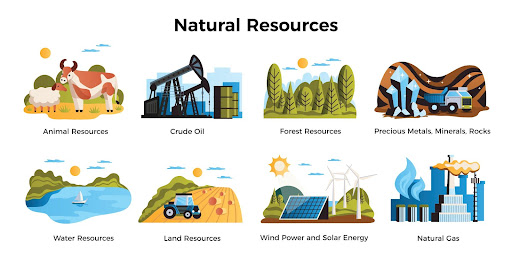
Understanding Natural Resources: The Earth’s Wealth Natural resources are the foundation of our existence on this planet. They are the raw materials and elements that sustain life, fuel industries, and shape the world as we know it. From the air we breathe to the water we drink, from the minerals in our gadgets to the energy that powers our homes, natural resources are inextricably woven into the fabric of our daily lives. In this article, we will explore the significance of natural resources, their types, management, and the challenges they pose to the global community. What Are Natural Resources? Natural resources encompass all the materials and elements found in the environment that are necessary for the survival and well-being of living organisms, including humans. These resources are divided into two broad categories: 1. Renewable Resources Renewable resources are those that can be naturally regenerated over time, ensuring a continuous supply. Examples include: a. Water: b. Solar Energy: c. Wind Energy: 2. Non-Renewable Resources Non-renewable resources are finite and cannot be replaced within human timescales. They include: a. Fossil Fuels: b. Minerals: c. Nuclear Fuels: The Significance of Natural Resources Natural resources are the lifeblood of our civilization and play a crucial role in our economic, social, and environmental well-being: Economic Significance: Social Significance: Environmental Significance: Resource Management and Conservation Sustainable management and conservation of natural resources are essential to ensure their availability for future generations. This involves responsible practices in resource extraction, utilization, and recycling: 1. Sustainable Agriculture: 2. Forest Management: 3. Water Conservation: 4. Renewable Energy: 5. Recycling: Challenges in Resource Management The management of natural resources faces various challenges, including: 1. Overexploitation: 2. Pollution: 3. Climate Change: 4. Habitat Destruction: 5. Geopolitical Conflicts: Conclusion Natural resources are the foundation of human civilization. They provide us with essential elements for survival, drive our economies, and shape our environment. The responsible management and conservation of these resources are critical to ensure a sustainable future for our planet. As we face challenges such as overexploitation and climate change, it is imperative that we act collectively to safeguard the Earth’s wealth for generations to come.

Natural Resources Read More »

The Natural Environment: A Precious Resource Under Threat

The Natural Environment: A Precious Resource Under Threat The natural environment, encompassing the diverse ecosystems, landscapes, and living organisms that make up our planet, is a priceless asset to humanity. It provides us with essential resources for survival, offers breathtaking beauty, and sustains the intricate web of life on Earth. However, the natural environment is facing unprecedented challenges due to human activities, which threaten its balance, resilience, and overall health. In this article, we will explore the significance of the natural environment and the key threats it faces, as well as the importance of preserving and restoring this vital resource. I. What Is the Natural Environment? The natural environment, often referred to as the “environment,” comprises the sum of all living and non-living things on Earth. It encompasses various ecosystems, including forests, oceans, deserts, grasslands, and wetlands, along with the multitude of species that inhabit them. This intricate web of life is governed by natural processes and cycles that maintain the delicate balance of our planet. II. The Significance of the Natural Environment III. Threats to the Natural Environment IV. Preserving and Restoring the Natural Environment V. Conclusion The natural environment is a vital, interconnected web of life that sustains us in countless ways. However, it is under serious threat from various human activities. Preserving and restoring the natural environment is not just an ethical imperative but a necessity for the well-being of current and future generations. By recognizing the significance of the natural environment and taking proactive steps to protect it, we can ensure a healthier, more sustainable planet for all living creatures. It is our responsibility to act as stewards of the Earth, conserving its beauty and resources for generations to come.

The Natural Environment: A Precious Resource Under Threat Read More »

Greenhouses: A Comprehensive Overview

Greenhouses: A Comprehensive Overview Introduction Greenhouses have been a significant innovation in agriculture and horticulture for centuries. These structures provide a controlled environment for the cultivation of plants, offering protection from adverse weather conditions and extending the growing season. In this article, we will explore the concept of greenhouses in depth, delving into their history, structure, functions, and ecological impact. Historical Background The idea of creating a controlled environment for plant growth dates back to ancient Roman times when Pliny the Elder described using translucent stone to cover garden beds. However, the modern greenhouse as we know it began to take shape in the 17th century in Europe. French botanist Charles Lucien Bonaparte is often credited with coining the term “greenhouse” in 1820. These early greenhouses primarily used glass to trap heat and light. Structure of Greenhouses Greenhouses come in various shapes and sizes, but they share some common structural elements: 1. Framing Materials Greenhouses are typically constructed using materials like wood, aluminum, steel, or even plastic. The choice of framing material depends on factors such as cost, climate, and the intended use of the greenhouse. 2. Glazing Materials The walls and roof of a greenhouse are covered with glazing materials that allow sunlight to penetrate while trapping heat. Common glazing materials include glass, plastic, and polycarbonate. Each material has its own advantages and disadvantages, affecting factors like insulation, cost, and durability. 3. Ventilation Proper ventilation is crucial in a greenhouse to regulate temperature, humidity, and air circulation. Ventilation systems can include roof vents, side vents, louvers, and fans. 4. Heating Systems In colder climates, greenhouses often require heating systems to maintain an ideal temperature for plant growth. These may include gas heaters, electric heaters, or geothermal heating. Functions of Greenhouses Greenhouses serve a multitude of purposes, from nurturing delicate flowers to growing vegetables and researching plant biology. Here are some of their primary functions: 1. Year-Round Growing Greenhouses extend the growing season by providing a stable and controlled environment, allowing for year-round cultivation of plants that would otherwise be limited to certain seasons. 2. Protection from Extreme Weather Greenhouses shield plants from harsh weather conditions such as frost, hail, excessive rainfall, and extreme temperatures, preventing damage to crops. 3. Disease and Pest Control By creating a controlled environment, greenhouses offer better protection against plant diseases and pests, reducing the need for chemical pesticides. 4. Research and Experimentation Greenhouses are essential for botanical research, enabling scientists to study plant growth, disease resistance, and adaptation in controlled settings. 5. Seedling Production Many nurseries and commercial growers use greenhouses to produce healthy seedlings, ensuring consistent plant quality. Environmental Impact While greenhouses offer numerous benefits, they are not without environmental concerns: 1. Energy Usage Maintaining the ideal environment within a greenhouse often requires energy-intensive heating, cooling, and lighting systems, contributing to increased energy consumption and associated carbon emissions. 2. Plastic Waste Greenhouses that use plastic as a glazing material can contribute to plastic waste and pollution if not properly managed. 3. Water Use Water consumption in greenhouses, especially in hydroponic or aquaponic systems, can be higher than in traditional farming. To mitigate these environmental impacts, there is a growing emphasis on sustainable greenhouse practices, such as the use of renewable energy sources, recycling plastic materials, and efficient water management. Conclusion Greenhouses have revolutionized the world of agriculture and horticulture, enabling the year-round production of crops, protection from extreme weather, and advancements in botanical research. However, they also present environmental challenges that need to be addressed. As technology advances and the need for sustainable agriculture becomes more apparent, the future of greenhouses will likely involve innovations that balance productivity with ecological responsibility.

Greenhouses: A Comprehensive Overview Read More »

Global Warming: A Looming Crisis

Global Warming: A Looming Crisis Introduction Global warming, a phenomenon driven by the excessive accumulation of greenhouse gases in the Earth’s atmosphere, has emerged as one of the most pressing challenges of our time. This article delves into the various aspects of global warming, exploring its causes, effects, and the measures being taken to mitigate its impact on the planet and humanity. Understanding the Greenhouse Effect To comprehend global warming, one must first understand the greenhouse effect. This natural process involves the retention of heat in the Earth’s atmosphere, allowing it to maintain a habitable temperature. Greenhouse gases, such as carbon dioxide (CO2), methane (CH4), and water vapor (H2O), trap heat from the sun, preventing it from escaping into space. However, human activities have disrupted this delicate balance. The Human Impact The Burning of Fossil Fuels The primary driver of global warming is the combustion of fossil fuels, including coal, oil, and natural gas. When these fuels are burned for energy, they release large amounts of CO2 and other greenhouse gases into the atmosphere. This excessive release has significantly increased the concentration of these gases, intensifying the greenhouse effect. Deforestation Another significant human contribution to global warming is deforestation. The removal of forests reduces the planet’s capacity to absorb CO2, as trees play a vital role in sequestering carbon. The loss of these natural carbon sinks has further amplified the problem. Industrial Processes and Agriculture Industrial processes and agricultural activities also emit greenhouse gases. For instance, the production of cement and the use of synthetic fertilizers release substantial amounts of CO2 and methane into the atmosphere. The Consequences of Global Warming Rising Temperatures One of the most noticeable consequences of global warming is the rise in global temperatures. This has led to more frequent and severe heatwaves, resulting in adverse effects on human health and the environment. Melting Ice and Rising Sea Levels The warming of the planet has accelerated the melting of polar ice caps and glaciers, contributing to the rising sea levels. This threatens coastal communities, ecosystems, and island nations. Extreme Weather Events Global warming is linked to an increase in the frequency and intensity of extreme weather events, including hurricanes, droughts, floods, and wildfires. These events have devastating impacts on communities, infrastructure, and agriculture. Disruption of Ecosystems Ecosystems are vulnerable to changes in temperature and weather patterns. Many species are struggling to adapt or facing extinction due to shifts in their natural habitats. International Efforts to Combat Global Warming The Paris Agreement In 2015, world leaders came together in Paris to negotiate the Paris Agreement, a landmark international treaty aimed at limiting global warming to well below 2 degrees Celsius above pre-industrial levels. Countries pledged to reduce greenhouse gas emissions and enhance their resilience to climate change. Renewable Energy Transitioning to renewable energy sources, such as solar, wind, and hydropower, is a critical step in reducing greenhouse gas emissions. These technologies offer cleaner alternatives to fossil fuels. Reforestation and Afforestation Efforts to combat deforestation and promote reforestation and afforestation programs are crucial for restoring natural carbon sinks. Individual Actions Individuals can also contribute to the fight against global warming. Simple actions like reducing energy consumption, using public transportation, and supporting sustainable agriculture can make a significant difference. Conclusion Global warming is an urgent crisis that demands immediate attention. The consequences of inaction are dire, with potential catastrophic effects on our planet and future generations. However, through international cooperation, the adoption of cleaner technologies, and individual efforts, we can mitigate the impact of global warming and work towards a more sustainable and habitable world for all.

Global Warming: A Looming Crisis Read More »

Scroll to Top