The Basics of Color Schemes for Web Design
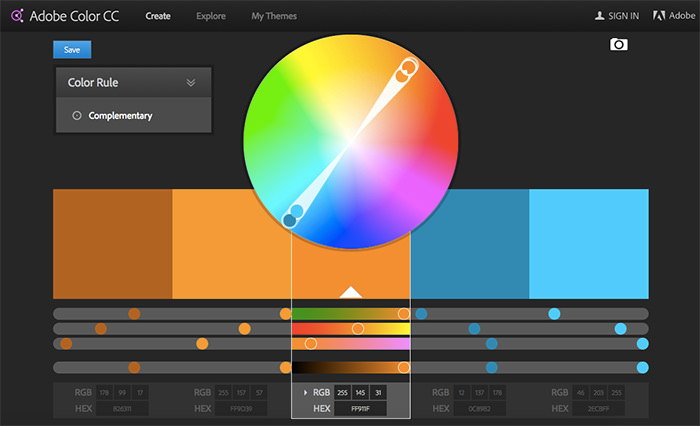
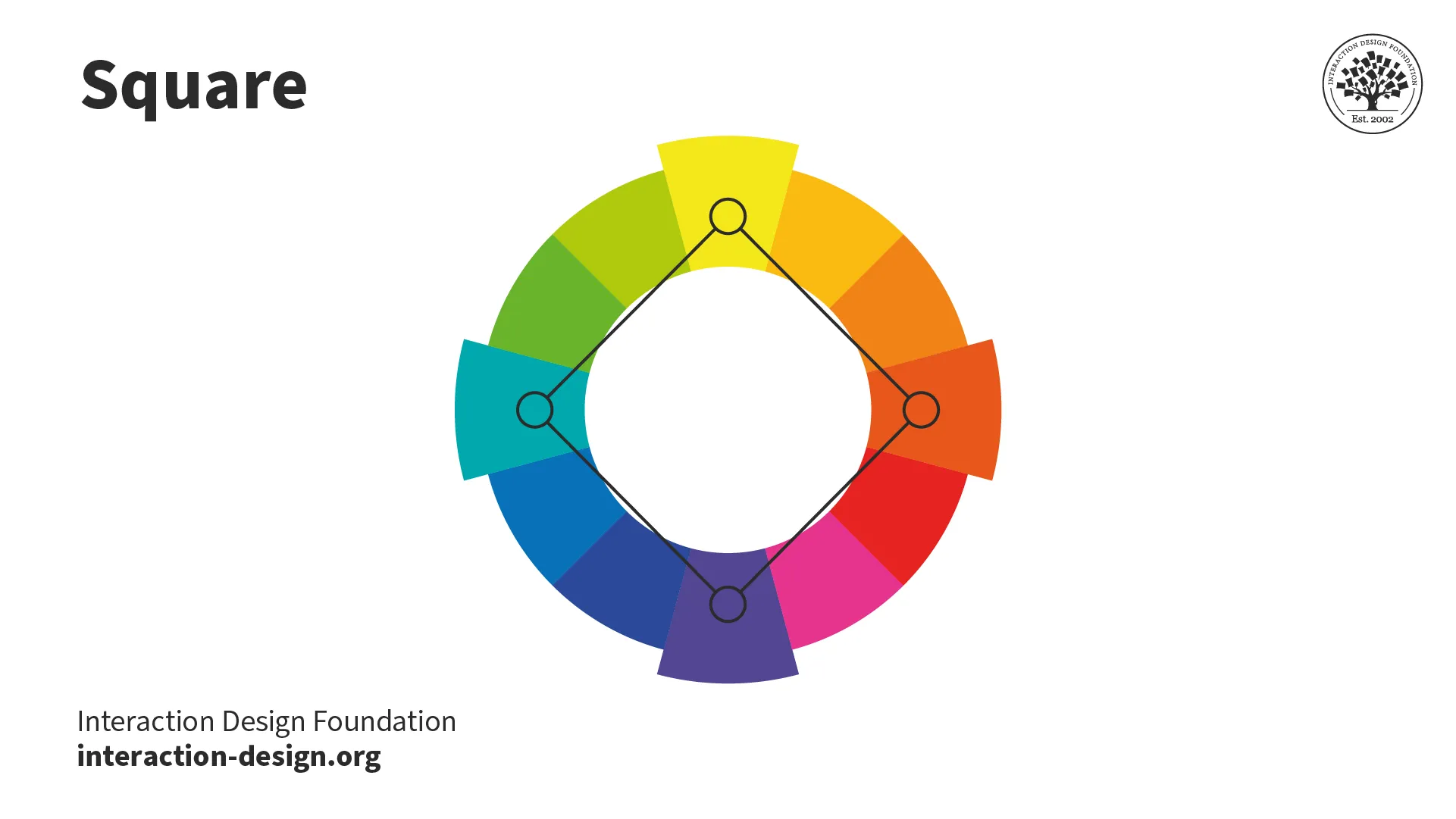
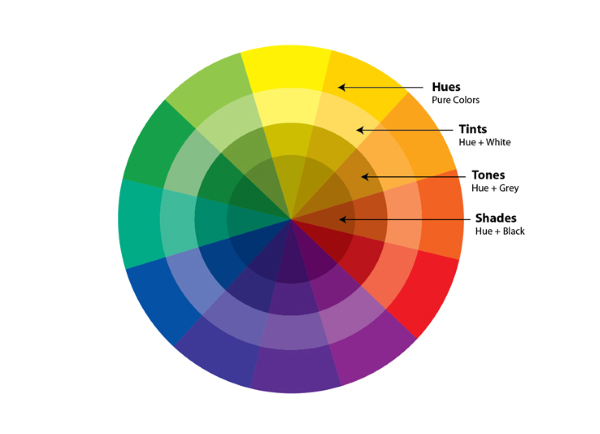
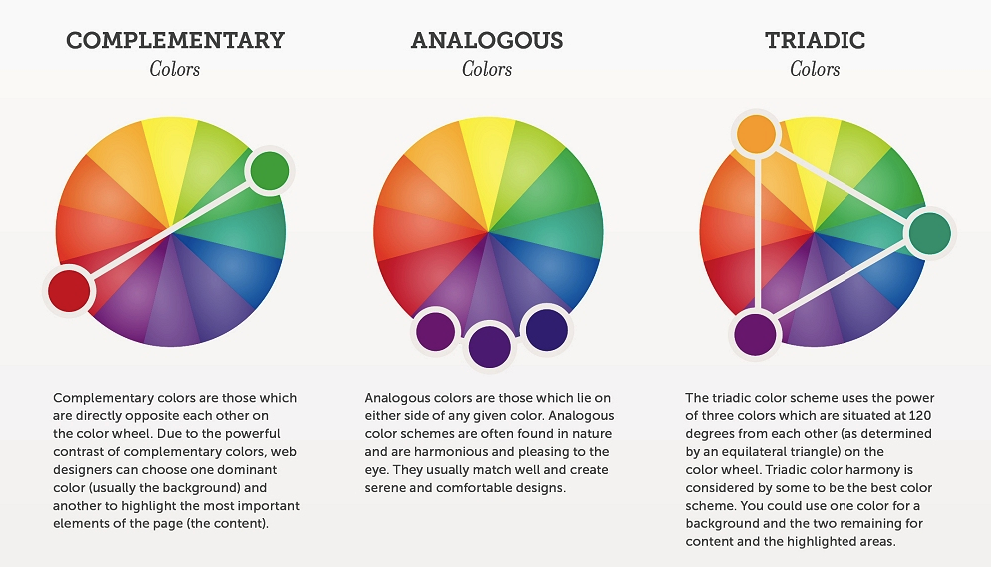
The Basics of Color Schemes for Web Design: Enhancing User Experience Through Visual Harmony In the realm of web design, color plays a pivotal role in shaping user experiences, influencing perceptions, and communicating brand messages effectively. A well-crafted color scheme can captivate visitors, guide them through content, and evoke desired emotions. Understanding the fundamentals of color schemes is essential for web designers to create visually appealing and cohesive websites. In this comprehensive guide, we delve into the basics of color schemes for web design, exploring various concepts, principles, and best practices. Introduction to Color Theory At the core of understanding color schemes lies the foundation of color theory. Color theory is a set of principles and guidelines that elucidate how colors interact with each other and the human eye. By familiarizing oneself with color theory, designers gain insights into creating harmonious and aesthetically pleasing color combinations. Basic Color Theory Color theory encompasses a multitude of definitions, concepts and design applications – enough to fill several encyclopedias. However, there are three basic categories of color theory that are logical and useful : The color wheel, color harmony, and the context of how colors are used. Color theories create a logical structure for color. For example, if we have an assortment of fruits and vegetables, we can organize them by color and place them on a circle that shows the colors in relation to each other. The Color Wheel A color circle, based on red, yellow and blue, is traditional in the field of art. Sir Isaac Newton developed the first circular diagram of colors in 1666. Since then, scientists and artists have studied and designed numerous variations of this concept. Differences of opinion about the validity of one format over another continue to provoke debate. In reality, any color circle or color wheel which presents a logically arranged sequence of pure hues has merit. There are also definitions (or categories) of colors based on the color wheel. We begin with a 3-part color wheel. Primary Colors: Red, yellow and blueIn traditional color theory (used in paint and pigments), primary colors are the 3 pigment colors that cannot be mixed or formed by any combination of other colors. All other colors are derived from these 3 hues. Secondary Colors: Green, orange and purpleThese are the colors formed by mixing the primary colors. Tertiary Colors: Yellow-orange, red-orange, red-purple, blue-purple, blue-green & yellow-greenThese are the colors formed by mixing a primary and a secondary color. That’s why the hue is a two word name, such as blue-green, red-violet, and yellow-orange. Color Harmony Harmony can be defined as a pleasing arrangement of parts, whether it be music, poetry, color, or even an ice cream sundae. In visual experiences, harmony is something that is pleasing to the eye. It engages the viewer and it creates an inner sense of order, a balance in the visual experience. When something is not harmonious, it’s either boring or chaotic. At one extreme is a visual experience that is so bland that the viewer is not engaged. The human brain will reject under-stimulating information. At the other extreme is a visual experience that is so overdone, so chaotic that the viewer can’t stand to look at it. The human brain rejects what it cannot organize, what it cannot understand. The visual task requires that we present a logical structure. Color harmony delivers visual interest and a sense of order. In summary, extreme unity leads to under-stimulation, extreme complexity leads to over-stimulation. Harmony is a dynamic equilibrium. Some Formulas for Color Harmony There are many theories for harmony. The following illustrations and descriptions present some basic formulas. 1. A color scheme based on analogous colors Analogous colors are any three colors which are side by side on a 12-part color wheel, such as yellow-green, yellow, and yellow-orange. Usually one of the three colors predominates. 2. A color scheme based on complementary colors Complementary colors are any two colors which are directly opposite each other, such as red and green and red-purple and yellow-green. In the illustration above, there are several variations of yellow-green in the leaves and several variations of red-purple in the orchid. These opposing colors create maximum contrast and maximum stability. 3. A color scheme based on nature Nature provides a perfect departure point for color harmony. In the illustration above, red yellow and green create a harmonious design, regardless of whether this combination fits into a technical formula for color harmony. Components of Color Before delving into color schemes, it’s imperative to grasp the components of color: Types of Color Schemes Understanding the different types of color schemes empowers designers to select the most suitable palette for their web projects. Some common color schemes include: Color Psychology in Web Design Beyond aesthetics, colors possess psychological attributes that can influence user behavior and perception. By harnessing the principles of color psychology, designers can evoke specific emotions and responses from website visitors. For instance: Achieving Color Harmony Harmony is key to a successful color scheme, ensuring that colors complement each other and contribute to a unified visual experience. Designers can achieve harmony through: Accessibility and Color Contrast Accessibility is a critical consideration in web design, and color plays a significant role in ensuring inclusivity for all users. Designers should adhere to accessibility standards, such as the Web Content Accessibility Guidelines (WCAG), to ensure sufficient color contrast for readability. Tools and resources are available to evaluate color combinations and ensure compliance with accessibility guidelines. Cultural and Contextual Considerations Colors can carry different meanings and cultural associations across diverse audiences and contexts. Designers should be mindful of cultural sensitivities and preferences when selecting color schemes, especially for global or multicultural audiences. Conducting research and soliciting feedback from target demographics can help designers make informed color choices. Tools and Resources for Color Selection Numerous tools and resources are available to assist designers in selecting and refining color schemes for web projects. From color palette generators to accessibility checkers, these tools streamline the color

The Basics of Color Schemes for Web Design Read More »