Film making

Comprehensive Guide to Screenplay, Storytelling, Storyline, and Visual Screenplay

Comprehensive Guide to Screenplay, Storytelling, Storyline, and Visual Screenplay Creating an engaging and impactful screenplay, developing a storyline, mastering storytelling, and crafting a visual screenplay are critical aspects of filmmaking. This guide delves deeply into each component, providing clear explanations and actionable steps to help you create an unforgettable cinematic experience. 1. The Essence of Storytelling Storytelling is the backbone of any film, enabling you to connect emotionally with your audience. It involves crafting a narrative that is relatable, impactful, and engaging. Why Storytelling Matters Elements of Great Storytelling 2. Developing a Strong Storyline A storyline is the structural framework of your narrative. It outlines the key events and their sequence, ensuring a coherent flow. Steps to Develop a Storyline 3. Writing the Screenplay A screenplay translates the storyline into a detailed script, specifying dialogues, actions, and visual elements. Components of a Screenplay Tips for Effective Screenplay Writing 4. Crafting a Visual Screenplay A visual screenplay emphasizes imagery and cinematic elements to enhance storytelling. This approach ensures that the narrative resonates through visuals as much as dialogue. Key Aspects of a Visual Screenplay 5. Integrating Storytelling and Visuals Combine storytelling techniques with visual elements to create a cohesive film. Steps to Integration 6. Enhancing Creativity in Screenplay Writing Creativity transforms a good screenplay into an extraordinary one. Infuse originality and innovation to stand out. Creative Techniques 7. Visual Storytelling Techniques Visual storytelling goes beyond dialogues and actions; it creates an immersive experience for the audience. Effective Techniques 8. Tools and Resources for Screenwriting Leverage tools to streamline the writing and visualization process. Popular Screenwriting Tools Storyboarding Tools Conclusion Mastering screenplay writing, storytelling, and visual storytelling is a journey that combines creativity, technical skills, and emotional intelligence. By understanding the nuances of each element and integrating them seamlessly, you can craft films that captivate audiences and leave a lasting impact. Embrace the process, experiment with ideas, and let your creativity shine.

Comprehensive Guide to Screenplay, Storytelling, Storyline, and Visual Screenplay Read More »

How to Create a Short Film with a Powerful Message for Society

How to Create a Short Film with a Powerful Message for Society Creating a short film that delivers a meaningful message to society is a rewarding but challenging process. A well-crafted short film has the potential to inspire, educate, and provoke thought. In this guide, we’ll explore the steps to create a compelling short film, from brainstorming ideas to editing the final product, with deep insights into storytelling, screenplay writing, and production. Why Short Films Matter Short films are a powerful medium to convey impactful messages due to their brevity and accessibility. Unlike feature-length films, short films are easier to produce and can focus intensely on a single theme, making them ideal for addressing social issues. Examples of social themes include: Key Benefits of Short Films Step-by-Step Guide to Creating a Short Film 1. Define Your Core Message Before diving into production, clearly define the message you want to communicate. Questions to Consider: Example Messages: 2. Brainstorm the Story Create a storyline that aligns with your message. A good short film often revolves around a single idea and builds emotional resonance through simplicity. Key Elements of a Story: Example Story Ideas: 3. Develop the Storyline Use a structured approach to map out your story. The most common structure is the three-act format: Three-Act Structure: Example: 4. Write the Screenplay A screenplay is the blueprint for your film. It includes dialogues, scene descriptions, and directions for the cast and crew. Screenplay Structure: Tips for Screenplay Writing: 5. Assemble Your Team A short film is a collaborative effort. Build a team that shares your vision. Essential Roles: Tips for Collaboration: 6. Plan the Production Pre-Production Tasks: 7. Filming Filming is where your vision comes to life. Tips for a Smooth Shoot: 8. Editing the Film Editing is crucial for refining the narrative and enhancing the emotional impact. Editing Tips: 9. Share Your Film Platforms: Promotion Tips: Tips for Effective Storytelling Final Thoughts Creating a short film with a social message requires passion, creativity, and collaboration. By following this guide, you can craft a film that not only entertains but also leaves a lasting impact on society. Remember, even a small story can inspire big changes.

How to Create a Short Film with a Powerful Message for Society Read More »

A Step-by-Step Guide to Creating a Documentary Film

Introduction: What is a Documentary? A documentary is a non-fictional film that presents real-life events, people, or stories to educate, inform, or inspire audiences. Documentaries come in various styles, including observational, participatory, expository, reflexive, and poetic. Each style offers a unique way of storytelling, from the raw, unfiltered approach of observational documentaries to the persuasive narratives of expository films. How Documentaries Differ from Other Genres Documentaries prioritize factual storytelling over fictional narratives. Unlike scripted dramas or comedies, they focus on real events, often using interviews, archival footage, and real-time recordings. For example, the observational style avoids narration, allowing viewers to interpret the raw footage themselves, as seen in “Grey Gardens.” In contrast, the expository style, like David Attenborough’s “Planet Earth,” uses a clear narrative voice to guide viewers through the story. 1. Research and Story Development Finding a Compelling Narrative Examples of Successful Narratives Structuring the Story Example: In “13th,” Ava DuVernay uses statistics alongside personal stories to craft a powerful narrative about racial injustice. 2. Pre-Production Planning Budgeting Team Assembly Equipment Selection Location Scouting Tip: Create a pre-production checklist to ensure all elements are covered. Creating a Detailed Schedule 3. Filming Process Capturing Interviews Interview Techniques Shooting B-Roll On-Set Challenges Examples of Real-World Challenges Actionable Tip: Always have a backup plan for equipment and schedules. 4. Storytelling Techniques in Documentaries Building Tension Emotional Engagement Balancing Facts with Narrative Waves Using Visual Storytelling 5. Post-Production Essentials Organizing Footage Editing Software Options Adding Sound Polishing the Final Product Expert Insight: “Editing is where the story truly comes alive,” says Walter Murch, legendary editor. 6. Distribution and Marketing Strategies Film Festivals Preparing a Submission Package Streaming Platforms Public Screenings Marketing 7. Reflection and Growth as a Filmmaker Mentorship and Collaboration Final Thought: Creating a documentary is a journey of discovery. By staying curious and committed, you can craft films that resonate deeply with audiences worldwide. Checklists Pre-Production Checklist: Filming Checklist: Post-Production Checklist:
A Step-by-Step Guide to Creating a Documentary Film Read More »

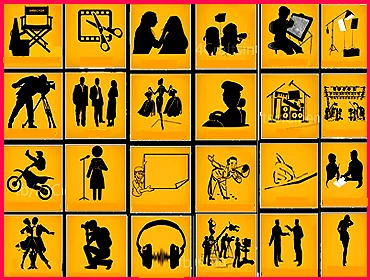
24 Key Crafts in Moviemaking: A Comprehensive Guide

24 Key Crafts in Moviemaking: A Comprehensive Guide Moviemaking is a complex art form that requires the collaboration of various crafts and skills. From the initial stages of conceptualization to the final touches in post-production, each craft plays a vital role in bringing a film to life. This article explores 24 key crafts involved in moviemaking, detailing their importance and contribution to the final product. 1. Screenwriting Screenwriting is the foundation of any film. It involves crafting the script, which includes the dialogue, characters, and plot. A well-written screenplay serves as the blueprint for the entire production. Screenwriters must understand storytelling, character development, and the dynamics of film structure. They often work closely with directors to ensure that the story aligns with the film’s vision. 2. Directing The director is the creative leader of the film. They interpret the script, make crucial creative decisions, and guide the cast and crew to realize their vision. Directors work closely with every department, from cinematography to sound design, to ensure that all elements come together cohesively. A director’s vision and leadership are pivotal in shaping the film’s style, tone, and narrative flow. 3. Producing Producers are responsible for the overall production of the film. They manage the budget, hire key staff, and oversee the production schedule. Producers work closely with directors to ensure that the project stays on track, both creatively and financially. They are also involved in securing funding, distribution deals, and marketing strategies for the film. 4. Casting Casting directors are responsible for selecting the right actors to bring the characters to life. They work with directors and producers to understand the character requirements and audition actors for the roles. A great casting director understands the nuances of each character and finds actors who can embody those qualities, often making or breaking the authenticity of the film. 5. Cinematography Cinematography is the art of capturing the visual essence of the film. Cinematographers, or directors of photography (DPs), are responsible for selecting the camera, lenses, and lighting equipment. They work closely with the director to establish the visual style of the film, deciding on camera angles, movements, and lighting techniques to enhance the story’s mood and emotion. 6. Production Design Production designers are responsible for the overall visual look of the film’s sets, locations, and props. They collaborate with the director and cinematographer to create a cohesive visual style that complements the story. Production designers oversee the art department, which includes set designers, decorators, and prop masters, ensuring that every visual detail supports the narrative. 7. Art Direction Art directors work under the production designer and are responsible for executing the visual design of the sets and locations. They manage the art department, including set construction, painting, and decoration. Art directors ensure that the sets are built according to the production designer’s vision and are consistent with the film’s aesthetic. 8. Set Decoration Set decorators are in charge of furnishing and decorating the film’s sets. They select and place all the elements that appear in the scene, such as furniture, drapery, artwork, and other props. Set decorators work closely with the production designer and art director to create a believable and visually appealing environment that enhances the film’s story. 9. Costume Design Costume designers are responsible for creating the wardrobe for the characters. They research and design costumes that reflect the time period, setting, and personality of each character. Costume designers work closely with the director and production designer to ensure that the costumes align with the film’s overall visual style and narrative. 10. Makeup and Hair Styling Makeup artists and hairstylists are responsible for the appearance of the actors. They create the makeup looks and hairstyles that define each character, from natural looks to elaborate special effects makeup. They work closely with the costume designer and director to ensure that the actors’ appearance aligns with the character and the film’s visual style. 11. Special Effects Makeup Special effects makeup artists specialize in creating realistic injuries, aging effects, prosthetics, and other complex makeup effects. They use techniques such as molding, sculpting, and painting to transform actors into creatures, monsters, or aged versions of themselves. Special effects makeup is crucial in genres like horror, fantasy, and science fiction. 12. Stunt Coordination Stunt coordinators are responsible for designing and supervising all the physical stunts in a film. They ensure that all stunts are performed safely and effectively, working closely with the director, actors, and stunt performers. Stunt coordinators must have a deep understanding of physical performance, safety protocols, and the technical aspects of filming action scenes. 13. Visual Effects (VFX) Visual effects artists create computer-generated imagery (CGI) that enhances or replaces elements of live-action footage. VFX can include anything from adding digital backgrounds to creating entirely animated characters. VFX artists work closely with the director and cinematographer to ensure that the digital elements blend seamlessly with the live-action footage. 14. Special Effects (Practical) Special effects artists handle practical, on-set effects that are created during filming rather than in post-production. This includes pyrotechnics, animatronics, and weather effects like rain or snow. Special effects artists work closely with the production team to ensure that these effects are safe and effective, adding a tactile realism to the film. 15. Sound Design Sound designers are responsible for creating the audio landscape of the film. They record, edit, and mix sound effects, dialogue, and ambient noises to enhance the storytelling. Sound designers work closely with the director to ensure that the audio complements the visual elements and adds depth to the narrative. 16. Foley Art Foley artists create and record sound effects that are added to the film in post-production. These sounds, such as footsteps, door creaks, or fabric rustling, are created in sync with the visual action on screen. Foley artists use various props and materials to produce realistic sounds that enhance the film’s audio experience. 17. Music Composition Composers create the original score for the film, which includes all the musical elements that accompany the visual
24 Key Crafts in Moviemaking: A Comprehensive Guide Read More »

How to Create a Movie or Short Film: Guide

How to Create a Movie or Short Film: A Comprehensive Step-by-Step Guide Introduction Creating a movie or short film is a creative endeavor that involves multiple stages, from developing the concept to distributing the finished product. Filmmaking combines artistry, technical skill, and careful planning. This guide provides a detailed step-by-step overview of each phase, ensuring aspiring filmmakers have a clear roadmap to follow. 1. Concept Development The concept development stage is where the idea for your movie or short film begins to take shape. This involves defining the story, creating characters, and building the world in which the narrative unfolds. 2. Scriptwriting Once the concept is fully developed, the next step is to translate the idea into a screenplay, the blueprint for the entire film. 3. Pre-Production Planning Pre-production is all about preparing everything needed to shoot the film. This phase involves organizing, budgeting, casting, scouting locations, and assembling a crew. 4. Production Production is where the script comes to life through filming. This phase requires strict adherence to schedules, effective communication, and problem-solving skills. 5. Post-Production Post-production is where the film is shaped into its final form through editing, sound design, visual effects, and color grading. 6. Distribution and Marketing Getting your film to the right audience is crucial to its success. 7. Film Release and Analysis Releasing your film involves organizing events and gathering audience feedback for future projects. 8. Continuous Improvement Filmmaking is an ongoing learning experience, requiring constant adaptation and growth. Conclusion Creating a movie or short film is an intricate process that demands a balance of creativity, technical skills, and strategic planning. By following the comprehensive steps outlined in this guide, aspiring filmmakers can navigate the complexities of filmmaking, from concept to distribution. Remember, every film is a learning opportunity — embrace creativity, stay adaptable, and continue refining your craft. Start your journey today, and let your story unfold on the big screen!

How to Create a Movie or Short Film: Guide Read More »

Scroll to Top