health

Comprehensive Guide to Managing Acne and Dark Spots

Comprehensive Guide to Managing Acne and Dark Spots Acne and dark spots are common skin concerns that affect people of all ages. While they can be frustrating, a consistent skincare routine, home remedies, and professional treatments can significantly improve your skin’s appearance. This article provides an in-depth guide to addressing acne and dark spots, covering everything from basic skincare to advanced treatments. Understanding Acne and Dark Spots What is Acne? Acne occurs when hair follicles become clogged with oil, dead skin cells, and bacteria. It can manifest as whiteheads, blackheads, pimples, or cystic lesions. Factors contributing to acne include hormonal changes, genetics, stress, and certain medications. What Are Dark Spots? Dark spots, or hyperpigmentation, occur when certain areas of the skin produce excess melanin. These spots can result from acne, sun damage, hormonal changes, or skin injuries. They are typically harmless but can be a cosmetic concern for many. Skincare Routine for Acne and Dark Spots A consistent skincare routine is essential for preventing and managing acne while fading dark spots. Here’s a step-by-step guide: 1. Cleansing 2. Toning 3. Moisturizing 4. Sunscreen 5. Exfoliation (2-3 Times Per Week) 6. Spot Treatments Home Remedies for Acne and Dark Spots Home remedies can complement your skincare routine. While not a replacement for medical treatments, these remedies may provide mild improvements: 1. Remedies for Acne 2. Remedies for Dark Spots Over-the-Counter Treatments For more noticeable results, consider these OTC treatments: 1. Acne Treatments 2. Dark Spot Treatments Professional Treatments If over-the-counter solutions and home remedies are insufficient, professional treatments can deliver more dramatic results: 1. Treatments for Acne 2. Treatments for Dark Spots Lifestyle Tips for Clear Skin Important Notes Conclusion Managing acne and dark spots requires a multi-faceted approach that includes a consistent skincare routine, natural remedies, and, when necessary, professional treatments. By understanding your skin’s needs and adopting these practices, you can achieve clearer, healthier skin over time. Remember, patience and persistence are vital in any skincare journey!

Comprehensive Guide to Managing Acne and Dark Spots Read More »

Gastric Problems Symptoms, Recovery, and Dietary Guidelines

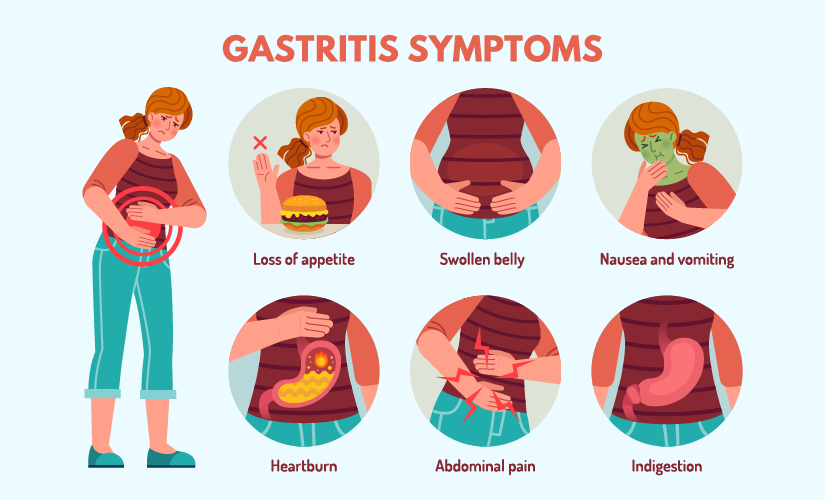
Introduction: Gastric problems, encompassing a wide array of digestive disorders, can pose significant challenges to one’s well-being. Understanding the symptoms, adopting effective recovery strategies, and adhering to dietary guidelines are essential for managing and alleviating the discomfort associated with gastric issues. This comprehensive guide aims to shed light on the intricacies of gastric problems, offering insights into their symptoms, recovery processes, and dietary recommendations. Gastric Problem Symptoms: Gastric Problem Recovery: Dietary Guidelines for Gastric Problems: Conclusion: Navigating the complexities of gastric problems requires a multifaceted approach that encompasses medical intervention, lifestyle adjustments, and dietary modifications. By understanding the symptoms, embracing recovery strategies, and following dietary guidelines, individuals can take proactive steps towards managing and mitigating the impact of gastric issues on their daily lives. Always consult with healthcare professionals for personalized advice tailored to individual health conditions and needs.
Gastric Problems Symptoms, Recovery, and Dietary Guidelines Read More »

Understanding Typhoid Fever Symptoms, Recovery, and Dietary Guidelines

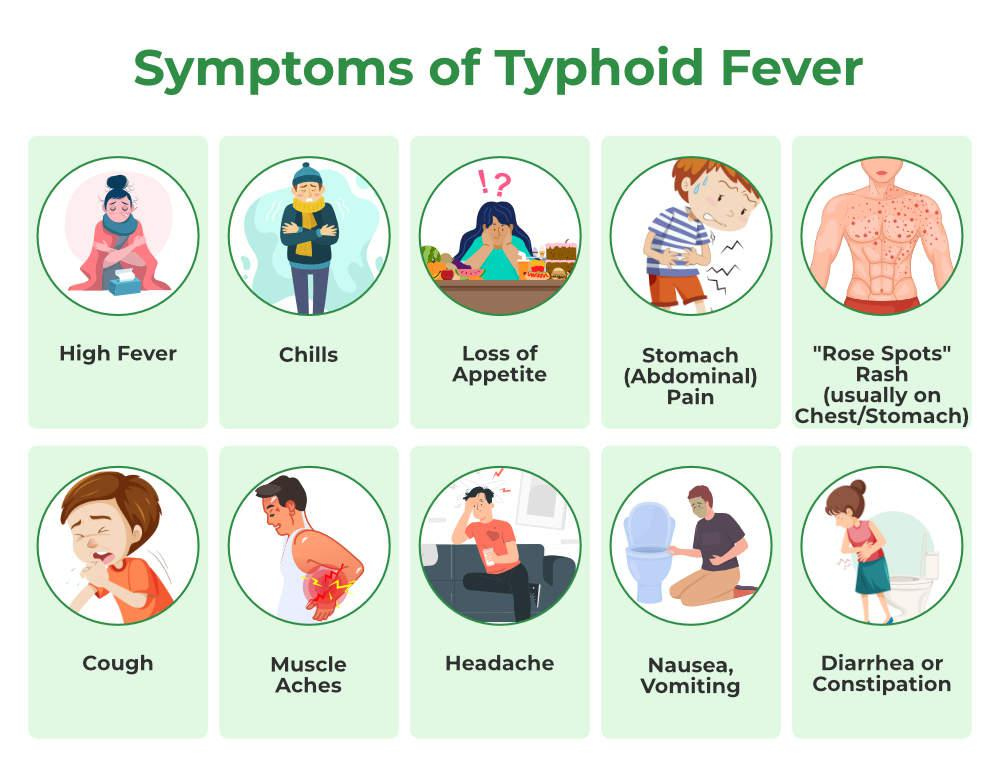
Understanding Typhoid Fever: Symptoms, Recovery, and Dietary Guidelines Unveiling Typhoid Fever: A Comprehensive Exploration of Symptoms, Recovery, and Dietary Guidelines Introduction: Typhoid fever, caused by the bacterium Salmonella Typhi, remains a significant global health concern, particularly in regions with inadequate sanitation practices. In this comprehensive article, we delve into the intricate details of typhoid fever, covering symptoms, the recovery process, and dietary guidelines crucial for a successful recuperation. Symptoms of Typhoid Fever: 1. Fever and Headache: A distinguishing feature of typhoid fever is the relentless high fever, often exceeding 104°F (40°C). This fever is accompanied by severe headaches, contributing to an overwhelming sense of weakness and lethargy. 2. Gastrointestinal Symptoms: Abdominal pain, discomfort, and a disrupted digestive system are common in typhoid fever. Individuals may experience either diarrhea or constipation, along with nausea, vomiting, and a diminished appetite. 3. Rose Spots and Skin Changes: A characteristic sign is the appearance of rose-colored spots on the trunk and abdomen, along with possible skin changes such as a rash. These dermatological manifestations aid in the diagnostic process. 4. Respiratory Symptoms: While not as common, some individuals may develop respiratory symptoms, including a cough and breathing difficulties, adding to the complexity of the clinical presentation. Recovery Process: 1. Medical Intervention: Early detection is paramount. Antibiotics like ciprofloxacin and azithromycin are commonly prescribed to combat the Salmonella Typhi bacteria. In severe cases, hospitalization may be necessary to manage complications. 2. Rest and Hydration: Adequate rest is crucial for a full recovery, allowing the body to conserve energy to fight the infection. Hydration, through water and oral rehydration solutions, is essential to counter the fluid loss caused by fever, vomiting, and diarrhea. 3. Follow-Up Care: Regular check-ups with healthcare professionals are vital to monitor the effectiveness of the treatment and detect any potential complications. Gradual resumption of normal activities is recommended, with the pace tailored to individual health conditions. Dietary Guidelines during Typhoid Fever: 1. Fluid Intake: Increasing fluid intake is fundamental to prevent dehydration. Water, oral rehydration solutions, and clear broths help replace lost fluids, while avoiding caffeinated and alcoholic beverages is advised. 2. Soft and Bland Foods: During the initial stages of recovery, a diet consisting of soft, bland foods like rice, boiled potatoes, plain crackers, and cooked vegetables is recommended. As symptoms improve, the reintroduction of easily digestible foods such as boiled eggs, yogurt, and steamed fish is advised. 3. Avoiding Raw and Spicy Foods: To prevent further gastrointestinal irritation, individuals are encouraged to avoid raw and undercooked foods, as well as spicy dishes. Thoroughly washing and peeling fruits and vegetables minimizes the risk of contamination. 4. Nutrient-Rich Foods: Supporting the healing process requires a focus on nutrient-rich foods such as fruits, vegetables, lean proteins, and whole grains. In some cases, vitamin and mineral supplements may be recommended to address potential deficiencies. 5. Small, Frequent Meals: Instead of three large meals, opting for smaller, more frequent meals aids digestion and reduces strain on the digestive system, promoting a smoother recovery. Conclusion: In conclusion, a holistic approach to typhoid fever involves prompt medical intervention, adequate rest, and adherence to specific dietary guidelines. Recognizing the symptoms, seeking timely medical attention, and embracing a carefully tailored recovery plan are crucial elements in managing and overcoming typhoid fever successfully. If you suspect typhoid fever or experience related symptoms, seek medical assistance promptly for a precise diagnosis and personalized treatment plan.

Understanding Typhoid Fever Symptoms, Recovery, and Dietary Guidelines Read More »

Healthy Life

Achieving a Healthy Life: A Comprehensive Guide Living a healthy life is a goal that many aspire to, but achieving it requires a holistic approach that encompasses various aspects of well-being. From maintaining a balanced diet to incorporating regular physical activity and managing stress, a healthy lifestyle involves a combination of choices and habits. In this article, we will delve into the key components of a healthy life, providing practical tips and insights to help you embark on a journey towards improved well-being. 1. Nutrition: The Foundation of Health A well-balanced and nutritious diet is the cornerstone of a healthy life. Adopting a diet rich in fruits, vegetables, whole grains, lean proteins, and healthy fats provides the essential nutrients your body needs. Consider incorporating mindful eating practices, such as paying attention to portion sizes and listening to your body’s hunger and fullness cues. 2. Regular Physical Activity: Move Your Way to Health Physical activity is crucial for maintaining a healthy body and mind. Engaging in regular exercise helps control weight, improves cardiovascular health, and boosts mood. Find activities you enjoy, whether it’s brisk walking, cycling, dancing, or participating in sports. Aim for at least 150 minutes of moderate-intensity exercise per week, and include strength training exercises to enhance muscle health. 3. Adequate Hydration: Drink Up for Wellness Staying hydrated is fundamental to good health. Water is essential for various bodily functions, including digestion, nutrient absorption, and temperature regulation. Aim to drink at least eight glasses of water per day, and adjust your intake based on factors like physical activity and climate. 4. Quality Sleep: Rest for Optimal Well-being Sleep plays a vital role in overall health and wellness. Aim for 7-9 hours of quality sleep each night to allow your body to rest, repair, and rejuvenate. Establish a consistent sleep routine, create a comfortable sleep environment, and limit screen time before bedtime to promote better sleep hygiene. 5. Stress Management: Finding Balance in a Busy World Chronic stress can negatively impact both physical and mental health. Explore stress management techniques such as deep breathing, meditation, yoga, or mindfulness to help alleviate stress and promote relaxation. Prioritize self-care and allocate time for activities that bring joy and relaxation. 6. Social Connections: Building a Supportive Network Maintaining strong social connections is a key component of a healthy life. Nurture relationships with family and friends, and seek out positive social interactions. Engaging in social activities not only provides emotional support but also contributes to a sense of belonging and purpose. 7. Regular Health Check-ups: Prevention is Key Regular health check-ups are essential for early detection and prevention of potential health issues. Schedule routine screenings, vaccinations, and dental check-ups. Be proactive about your health by discussing any concerns with healthcare professionals and following their advice for preventive care. 8. Mind-Body Connection: Cultivating Mental Wellness Recognize the interconnectedness of mental and physical health. Prioritize activities that promote mental well-being, such as practicing mindfulness, engaging in hobbies, and seeking professional support when needed. Taking care of your mental health is integral to achieving overall balance and happiness. 9. Avoiding Harmful Substances: Say No to Detrimental Habits Limit or eliminate harmful substances such as tobacco, excessive alcohol, and illicit drugs from your lifestyle. These substances can have detrimental effects on your health and well-being, contributing to various chronic conditions. 10. Continual Learning: Embracing a Growth Mindset Maintain a curious and open mindset towards learning. Stay informed about health trends, new research, and lifestyle choices. Being receptive to new information allows you to make informed decisions about your health and well-being. In conclusion, achieving a healthy life involves a multifaceted approach that addresses physical, mental, and social well-being. By adopting a balanced diet, incorporating regular exercise, managing stress, and prioritizing sleep, you can cultivate a lifestyle that promotes optimal health. Remember that small, sustainable changes over time can lead to significant improvements in your overall well-being. Embrace the journey towards a healthier life, and enjoy the benefits that come with it.

Healthy Life Read More »

The Importance of Healthy Food and a Balanced Diet

The Importance of Healthy Food and a Balanced Diet Introduction In a world where fast food and processed snacks dominate the market, the significance of maintaining a healthy diet cannot be overstated. Consuming a variety of nutrient-dense foods not only supports overall well-being but also plays a crucial role in preventing various chronic diseases. In this article, we will delve into the realm of healthy food choices, focusing on fruits that are particularly beneficial for a balanced and nutritious diet. Chapter 1: The Foundation of a Healthy Diet Understanding Macronutrients and Micronutrients A healthy diet is built upon the foundation of essential nutrients that the body requires for optimal functioning. These nutrients are broadly categorized into macronutrients (carbohydrates, proteins, and fats) and micronutrients (vitamins and minerals). A balanced diet ensures an adequate intake of both types of nutrients, promoting overall health. Chapter 2: The Role of Fruits in a Balanced Diet Harnessing the Power of Nature Fruits are nature’s gift, providing a rich source of vitamins, minerals, antioxidants, and fiber. Including a variety of fruits in your daily diet can contribute to better digestion, improved immune function, and enhanced energy levels. Let’s explore some fruits that stand out for their exceptional health benefits. Chapter 3: Super Fruits for Optimal Health 1. Blueberries: The Antioxidant Powerhouse Blueberries are renowned for their high antioxidant content, particularly anthocyanins, which have been linked to improved cognitive function and a reduced risk of age-related diseases. Incorporating blueberries into your diet can be a delicious way to support brain health. 2. Avocado: Heart-Healthy Monounsaturated Fats Avocado is a unique fruit that is rich in monounsaturated fats, which are heart-healthy and can help lower bad cholesterol levels. Additionally, avocados provide essential vitamins and minerals, making them a versatile and nutritious addition to various dishes. 3. Bananas: Potassium for Blood Pressure Control Bananas are not only a convenient and portable snack but also a great source of potassium. Adequate potassium intake is associated with lower blood pressure, reducing the risk of cardiovascular diseases. Incorporating bananas into your diet can contribute to overall heart health. 4. Citrus Fruits: Vitamin C Boosters Citrus fruits, such as oranges, grapefruits, and lemons, are well-known for their high vitamin C content. Vitamin C is essential for a strong immune system, collagen synthesis, and antioxidant protection. Including citrus fruits in your diet can help ward off illnesses and support skin health. 5. Berries: Fiber-Rich and Low in Calories Berries, including strawberries, raspberries, and blackberries, are not only delicious but also packed with fiber. The high fiber content promotes satiety, aids in digestion, and helps regulate blood sugar levels. Berries are an excellent choice for those looking to maintain a healthy weight. Chapter 4: Practical Tips for a Sustainable Healthy Diet 1. Meal Planning and Preparation Planning and preparing meals in advance can help you make healthier choices and avoid the temptation of convenience foods. Aim for a balanced mix of fruits, vegetables, whole grains, lean proteins, and healthy fats in each meal. 2. Hydration Matters Staying hydrated is a fundamental aspect of a healthy lifestyle. Water is essential for digestion, nutrient absorption, and overall bodily functions. Incorporate water-rich fruits like watermelon and cucumber to enhance your hydration levels. 3. Mindful Eating Practicing mindful eating involves paying attention to your body’s hunger and fullness cues. Take time to savor the flavors, textures, and aromas of your food. This mindful approach can help prevent overeating and promote a healthier relationship with food. Conclusion In conclusion, embracing a healthy diet is not a restrictive or complicated endeavor. By incorporating a variety of nutrient-dense foods, especially the super fruits mentioned, you can nourish your body, support your overall health, and reduce the risk of chronic diseases. Remember, making small, sustainable changes to your eating habits can have a significant impact on your well-being in the long run. So, let nature’s bounty be your guide to a healthier, more vibrant life.

The Importance of Healthy Food and a Balanced Diet Read More »

What is Reason of White Hair In Young Age

What is Reason of White Hair In Young Age Unraveling the Mystery of Premature Graying: Causes, Solutions, and Expert Insights Introduction: The onset of white or gray hair is a natural part of aging, typically associated with the silvering of one’s locks over time. However, an increasing number of individuals are experiencing premature graying, witnessing their hair lose its pigment at a surprisingly young age. This phenomenon has left many pondering the question: What is the reason behind white hair in young people? In this comprehensive article, we delve into the various causes, potential solutions, and expert insights into this intriguing occurrence. 1. Causes of Premature Graying: a. Genetic Predisposition:One of the primary factors contributing to premature graying is genetics. If your parents or close relatives experienced early graying, there is a higher likelihood that you may too. Certain genes are associated with the regulation of hair pigmentation, and their variations can influence when your hair starts turning white. b. Deficiency in Melanin Production:Melanin, the pigment responsible for hair color, is produced by melanocytes in hair follicles. A deficiency in melanin production, often influenced by genetic factors, can lead to premature graying. c. Stress and Lifestyle Factors:High-stress levels and an unhealthy lifestyle can contribute to premature graying. Chronic stress, lack of sleep, poor nutrition, and smoking have been linked to accelerated aging processes, including premature graying. d. Vitamin and Nutrient Deficiencies:Insufficient intake of certain vitamins and minerals, particularly B vitamins, iron, copper, and zinc, can impact the health of hair follicles. Deficiencies in these nutrients may accelerate the graying process. e. Medical Conditions:Underlying medical conditions, such as thyroid disorders, vitiligo, and autoimmune diseases, can affect hair pigmentation and lead to premature graying. 2. Solutions and Expert Insights: a. Healthy Diet and Nutrition:Incorporating a well-balanced diet rich in vitamins and minerals is essential for maintaining overall health, including that of your hair. Experts recommend foods high in antioxidants, such as fruits, vegetables, and lean proteins, to support hair health. b. Stress Management:Managing stress through practices like meditation, yoga, and regular exercise can positively impact both mental well-being and hair health. Stress reduction may slow down the graying process. c. Supplements:Supplements containing key nutrients like B vitamins, iron, copper, and zinc can address deficiencies that may contribute to premature graying. Consultation with a healthcare professional is advised before starting any supplementation. d. Avoiding Harmful Habits:Quitting smoking and moderating alcohol consumption can benefit overall health, including hair health. These lifestyle changes may help slow down premature graying. e. Topical Treatments:Certain topical treatments and hair care products containing ingredients like biotin, keratin, and peptides claim to support hair health and delay graying. While some individuals report positive results, the efficacy of these products varies, and consultation with a dermatologist is recommended. f. Medical Consultation:If premature graying is a concern, seeking advice from a dermatologist or healthcare professional is crucial. They can conduct assessments, identify underlying causes, and recommend personalized solutions, such as prescription medications or advanced treatments. Conclusion: While premature graying may raise aesthetic concerns, understanding its root causes and exploring viable solutions is key to addressing the issue. Embracing a holistic approach that combines a healthy lifestyle, proper nutrition, and expert guidance can contribute to maintaining hair health and potentially slowing down the progression of premature graying. Remember, each individual’s experience is unique, and consulting with a healthcare professional ensures a tailored approach to addressing premature graying and promoting overall well-being.
What is Reason of White Hair In Young Age Read More »

The Future of Health Problems Challenges and Concerns

The Future of Health Problems Challenges and Concerns

The Future of Health Problems Challenges and Concerns The landscape of health problems is continually evolving due to a myriad of factors, including advances in technology, changes in lifestyle, environmental shifts, and even global pandemics. As we look ahead, it’s essential to anticipate the emerging health challenges that may shape the future of healthcare. This article explores the potential future health problems under various categories, providing insight into the complexities that may arise. I. Infectious Diseases in a Globalized World A. Antimicrobial Resistance Antimicrobial resistance (AMR) remains a pressing global concern. Overuse and misuse of antibiotics, coupled with the natural evolution of bacteria, have created “superbugs” resistant to antibiotics. This trend threatens to render many medical treatments ineffective, leading to increased mortality rates for once-treatable infections. B. Emerging Pandemics The COVID-19 pandemic highlighted the vulnerability of our interconnected world. Future pandemics may emerge due to zoonotic diseases, increasing human-animal interactions, and the rapid globalization of travel and trade. Preparing for these outbreaks requires improved surveillance, robust healthcare systems, and international collaboration. II. Lifestyle-Related Health Problems A. Chronic Non-communicable Diseases Chronic diseases such as heart disease, diabetes, and obesity are on the rise due to sedentary lifestyles and poor dietary choices. The future could see an even greater prevalence of these conditions, straining healthcare systems and decreasing overall quality of life. B. Mental Health Challenges Mental health disorders, including anxiety, depression, and addiction, are becoming increasingly prevalent. The integration of technology into our daily lives and the stresses of modern living may exacerbate these issues, making mental health a significant concern for the future. III. Environmental Health Threats A. Climate Change-Related Health Problems As climate change accelerates, it brings new health challenges. Extreme weather events, rising temperatures, and altered disease vectors can lead to heat-related illnesses, vector-borne diseases, and displacement of communities. Adapting to these environmental changes is crucial for mitigating health risks. B. Air Pollution and Respiratory Diseases Urbanization and industrialization have led to worsening air quality, which can contribute to respiratory diseases like asthma and chronic obstructive pulmonary disease (COPD). In the future, the health impact of air pollution is likely to become even more pronounced, necessitating stricter environmental regulations. IV. Technological Advances and Health Concerns A. Privacy and Data Security The integration of technology in healthcare, such as electronic health records and telemedicine, poses concerns about patient privacy and data security. Ensuring the confidentiality of health data in an interconnected world is an ongoing challenge. B. Digital Addiction and Screen Time Excessive screen time and digital device usage can lead to issues like digital eye strain and mental health problems. As technology continues to advance, society must address these emerging health concerns. V. Aging Population and Healthcare Demand A. Age-Related Diseases The world’s population is aging, leading to an increased prevalence of age-related diseases like dementia, osteoporosis, and age-related macular degeneration. These conditions pose not only individual health challenges but also significant healthcare system strain. B. Healthcare Workforce Shortage The aging population also contributes to a shortage of healthcare professionals, exacerbating healthcare disparities and access issues. Strategies must be developed to train and retain a skilled healthcare workforce. VI. Social and Economic Determinants of Health A. Health Inequities Disparities in access to healthcare and social determinants, such as income and education, continue to impact health outcomes. Addressing these inequities is essential for achieving better population health. B. Lifestyle and Cultural Factors Cultural factors and lifestyle choices, such as diet and physical activity, play a significant role in determining future health outcomes. Health promotion and education are essential for addressing these concerns. In conclusion, the future of health problems is a complex and multifaceted landscape. Addressing these challenges will require proactive measures, including global collaboration, innovative healthcare solutions, and an increased focus on prevention. As we move forward, understanding and mitigating these potential health problems is essential for building a healthier and more resilient world.

The Future of Health Problems Challenges and Concerns Read More »

How to Become Fit and Healthy

How to Become Fit and Healthy: A Comprehensive Guide In a world where health and wellness have become paramount concerns, the quest to become fit and healthy is more important than ever. Whether you’re looking to shed a few pounds, build muscle, boost your energy levels, or simply live a longer, more vibrant life, achieving and maintaining fitness and good health is a worthy goal. In this comprehensive guide, we’ll explore the steps to help you become fit and healthy, providing you with actionable advice and insights along the way. 1. Setting Clear Goals The first step in your journey to becoming fit and healthy is setting clear, achievable goals. These goals will serve as your roadmap and motivation throughout the process. Consider what you want to achieve, whether it’s losing weight, gaining muscle, improving cardiovascular health, or enhancing overall well-being. 2. Developing a Balanced Diet A balanced diet is a cornerstone of good health and fitness. It’s crucial to provide your body with the right nutrients to function optimally. Follow these dietary guidelines: a. Balanced Macronutrients Ensure a balanced intake of carbohydrates, proteins, and fats. Complex carbohydrates, lean proteins, and healthy fats should all have a place in your daily diet. b. Whole Foods Prioritize whole, unprocessed foods such as fruits, vegetables, lean meats, and whole grains. These foods are rich in essential nutrients and fiber. c. Portion Control Keep your portion sizes in check to avoid overeating. A balanced diet can easily become unhealthy if you consume excessive calories. d. Hydration Stay well-hydrated by drinking plenty of water throughout the day. Water is essential for various bodily functions and can aid in weight loss. e. Mindful Eating Practice mindful eating by savoring your meals and paying attention to hunger and fullness cues. This can help prevent overeating. 3. Regular Exercise Routine Physical activity is vital for maintaining fitness and good health. Create an exercise routine that suits your goals and lifestyle. Key components include: a. Cardiovascular Exercise Incorporate activities like running, swimming, cycling, or brisk walking to improve cardiovascular health and burn calories. b. Strength Training Strength training helps build lean muscle mass, boosts metabolism, and enhances overall strength and endurance. c. Flexibility and Mobility Include stretching and mobility exercises to maintain flexibility and prevent injuries. d. Consistency Consistency is the key to success. Make exercise a regular part of your life, aiming for at least 150 minutes of moderate-intensity exercise per week. 4. Quality Sleep Adequate sleep is often overlooked but is critical for recovery, energy levels, and overall health. Strive for 7-9 hours of quality sleep each night to support your fitness journey. 5. Stress Management Chronic stress can hinder your progress toward good health and fitness. Incorporate stress management techniques, such as meditation, deep breathing, and time management, into your daily routine. 6. Regular Health Check-ups Regular health check-ups are essential for early detection and prevention of health issues. Schedule routine visits to your healthcare provider for screenings, vaccinations, and general well-being assessments. 7. Social Support Engage with a supportive community, whether it’s friends, family, or like-minded fitness enthusiasts. Social support can help keep you motivated and accountable. 8. Nutrition Supplements Consider supplementation, but only after consulting with a healthcare professional. Common supplements include vitamins, minerals, and protein powder. They should complement, not replace, a balanced diet. 9. Tracking Progress Monitor your progress regularly. Keep a fitness journal, take photos, or use fitness apps to track your achievements and make adjustments as needed. 10. Adaptability and Patience Remember that becoming fit and healthy is a long-term commitment. Be patient with yourself, and adapt your approach as necessary to overcome plateaus or setbacks. 11. Seek Professional Guidance If you’re unsure how to get started or have specific health concerns, seek guidance from fitness trainers, nutritionists, or medical professionals who can provide expert advice tailored to your needs. 12. Enjoy the Journey Lastly, remember that the journey to becoming fit and healthy should be enjoyable. Find activities you love, savor nutritious meals, and appreciate the progress you make along the way. In conclusion, the path to becoming fit and healthy is a holistic journey that involves setting clear goals, maintaining a balanced diet, adopting a regular exercise routine, prioritizing sleep and stress management, and seeking professional guidance when needed. By incorporating these principles into your life, you can achieve your fitness and health aspirations and enjoy the many benefits that come with them.

How to Become Fit and Healthy Read More »

Scroll to Top