Author name: RC

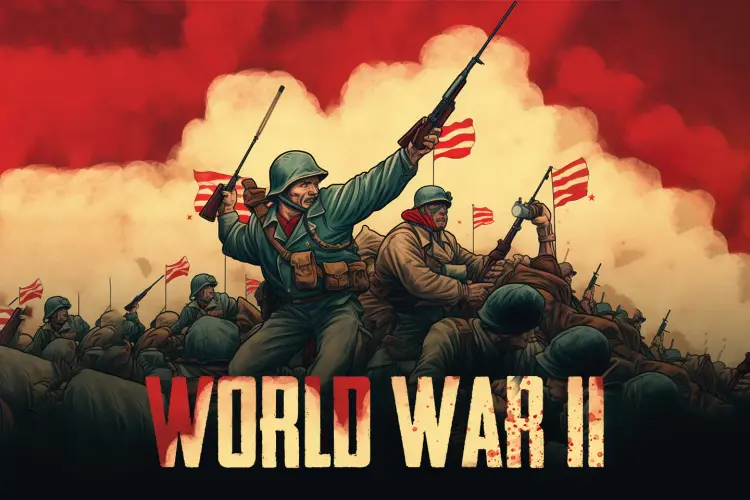
World War II: A Comprehensive Overview

World War II: A Comprehensive Overview Introduction World War II (1939-1945) was the most widespread and deadliest conflict in human history, involving over 30 countries and resulting in an estimated 70-85 million deaths. The war reshaped the global political landscape, leading to significant changes in international relations, society, and technology. This article explores World War II from its origins and key events to its lasting impacts and legacy. Origins of World War II Treaty of Versailles and the Aftermath of World War I The seeds of World War II were sown in the aftermath of World War I: Rise of Totalitarian Regimes The interwar period saw the rise of totalitarian regimes in several countries: Failure of the League of Nations The League of Nations, established after World War I to maintain peace, failed to prevent aggression by totalitarian regimes: Key Events Leading to War German Expansion and the Outbreak of War Hitler’s aggressive policies and territorial expansion led directly to the outbreak of World War II: Invasion of Poland The invasion of Poland marked the beginning of World War II: Major Theaters and Campaigns European Theater The European Theater was the primary battleground of World War II: Pacific Theater The Pacific Theater saw intense and brutal combat between Allied forces and Japan: Other Theaters World War II also saw significant action in other regions: The Holocaust One of the most horrific aspects of World War II was the Holocaust: The Home Front Economic Mobilization The war effort required massive economic mobilization: Propaganda Propaganda played a crucial role in maintaining public support for the war: Social Changes The war brought significant social changes: The End of the War Allied Victory in Europe The war in Europe ended with the defeat of Nazi Germany: Allied Victory in the Pacific The war in the Pacific ended with Japan’s surrender: Impacts of World War II Political Changes The war led to significant political upheaval: Economic Consequences The war had lasting economic impacts: Social and Cultural Changes The war also brought profound social and cultural shifts: Technological Advancements Technological innovations during the war had lasting impacts: Conclusion World War II was a transformative conflict that reshaped the political, economic, and social landscape of the 20th century. It ended totalitarian regimes, redrew borders, and set the stage for the Cold War and the decolonization of much of the world. The war’s legacy includes profound changes in international relations, the role of technology in warfare, and the recognition of the need for global cooperation to maintain peace. Understanding World War II is crucial to comprehending the complexities of modern history and the origins of contemporary geopolitical issues.

World War II: A Comprehensive Overview Read More »

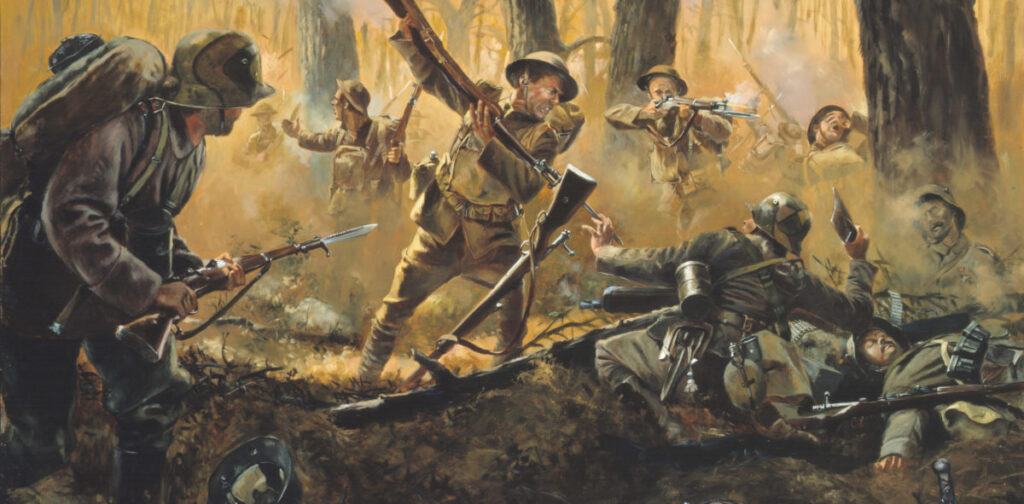
World War I: A Comprehensive Overview

World War I: A Comprehensive Overview Introduction World War I, also known as the Great War, was one of the most significant conflicts in human history. Fought between 1914 and 1918, it involved many of the world’s great powers and resulted in unprecedented levels of destruction and loss of life. This article explores World War I from its origins and key events to its lasting impacts and legacy. Origins of World War I Political Alliances and Rivalries The complex web of alliances and rivalries among European powers set the stage for the outbreak of World War I: Nationalism Nationalistic fervor contributed to tensions between countries: Militarism The belief in building strong military forces to achieve national goals led to an arms race among European powers: Key Events Leading to War Assassination of Archduke Franz Ferdinand The immediate catalyst for World War I was the assassination of Archduke Franz Ferdinand of Austria-Hungary: Mobilization and Declarations of War The complex system of alliances quickly drew multiple countries into the conflict: Major Battles and Campaigns Western Front The Western Front, stretching from the North Sea to the Swiss border, was the main theater of the war: Eastern Front The Eastern Front saw significant movement and varied outcomes: Other Theaters World War I also saw significant action in other regions: The Home Front Economic Mobilization The war effort required massive economic mobilization: Propaganda Propaganda played a crucial role in maintaining public support for the war: Social Changes The war brought significant social changes: The End of the War U.S. Entry into the War The entry of the United States into the war in 1917 had a decisive impact: The Armistice The war ended with the signing of the Armistice: The Treaty of Versailles The post-war settlement was formalized with the Treaty of Versailles: Impacts of World War I Political Changes The war led to significant political upheaval: Economic Consequences The war had lasting economic impacts: Social and Cultural Changes The war also brought profound social and cultural shifts: . Technological Advancements Technological innovations during the war had lasting impacts: Conclusion World War I was a transformative conflict that reshaped the political, economic, and social landscape of the 20th century. It ended empires, redrew borders, and set the stage for future conflicts, including World War II. The war’s legacy includes profound changes in international relations, the role of technology in warfare, and the recognition of the need for global cooperation to maintain peace. Understanding World War I is crucial to comprehending the complexities of modern history and the origins of contemporary geopolitical issues.

World War I: A Comprehensive Overview Read More »

The French Revolution: A Comprehensive Overview

The French Revolution: A Comprehensive Overview Introduction The French Revolution, which took place from 1789 to 1799, was a period of profound social, political, and economic upheaval in France. It marked the end of the absolute monarchy, led to the rise of radical political groups, and fundamentally altered the course of French and world history. This article explores the French Revolution from its origins and key events to its lasting impacts and legacy. Origins of the French Revolution Economic Distress Several economic factors contributed to the French Revolution: Social Inequality The rigid social structure of France played a significant role in fueling revolutionary sentiments: Enlightenment Ideas The Enlightenment, an intellectual movement emphasizing reason, individualism, and skepticism of traditional authority, inspired many revolutionary ideas: Key Events of the French Revolution The Estates-General and the National Assembly The French Revolution began with the convocation of the Estates-General: The Tennis Court Oath and the Fall of the Bastille These early revolutionary actions set the stage for further radicalization: The Great Fear and the Abolition of Feudalism Widespread panic and radical legislative changes followed: Declaration of the Rights of Man and of the Citizen A landmark document in the history of human rights was adopted: The March on Versailles and the Rise of the Paris Commune Popular unrest continued to shape the revolution: The Flight to Varennes and the Establishment of the Republic The monarchy’s attempts to escape led to significant political changes: The Reign of Terror A period of extreme violence and radicalization ensued: The Thermidorian Reaction and the Directory The revolution took a more conservative turn: The Rise of Napoleon Bonaparte The revolution paved the way for the rise of a military leader: Impacts of the French Revolution Political Changes The French Revolution had profound political impacts: Social Reforms The revolution brought significant social changes: Economic Changes Economic transformations also resulted from the revolution: Cultural and Ideological Impact The French Revolution left a lasting cultural and ideological legacy: Conclusion The French Revolution was a transformative period that reshaped France and had a profound impact on the world. It dismantled the old social and political order, introduced radical ideas about democracy and human rights, and set the stage for modern political and social movements. While the revolution was marked by violence and turmoil, its legacy endures in the principles of liberty, equality, and fraternity that continue to inspire movements for justice and democracy worldwide. Understanding the French Revolution is crucial to comprehending the complexities and dynamics of modern history and politics.

The French Revolution: A Comprehensive Overview Read More »

The American Revolution: A Comprehensive Overview

The American Revolution: A Comprehensive Overview

The American Revolution: A Comprehensive Overview Introduction The American Revolution, spanning from 1765 to 1783, was a pivotal period in history that led to the birth of the United States of America. This revolution was not merely a war but a profound transformation in political thought, governance, and society. It set the stage for the modern concepts of democracy and individual rights. This article delves into the American Revolution from A to Z, providing a thorough understanding of its origins, key events, significant figures, and lasting impacts. Origins of the American Revolution Colonial Background Before the revolution, the American colonies were part of the British Empire, enjoying relative autonomy while benefiting from British protection and trade: Causes of the Revolution Several factors contributed to the growing discontent that sparked the American Revolution: Key Events Leading to the Revolution The Stamp Act Crisis The Stamp Act of 1765 required colonists to purchase a stamp for every piece of paper they used, including newspapers, legal documents, and licenses: The Boston Massacre On March 5, 1770, British soldiers fired into a crowd of colonists in Boston, killing five people: The Boston Tea Party The Tea Act of 1773 allowed the British East India Company to sell tea directly to the colonies, bypassing colonial merchants: The War for Independence The First Continental Congress In response to the Intolerable Acts, representatives from twelve of the thirteen colonies convened the First Continental Congress in Philadelphia in September 1774: The Battles of Lexington and Concord The first military engagements of the American Revolution took place on April 19, 1775, in Massachusetts: The Second Continental Congress In May 1775, the Second Continental Congress convened in Philadelphia: Declaration of Independence On July 4, 1776, the Continental Congress adopted the Declaration of Independence, primarily authored by Thomas Jefferson: Key Battles and Campaigns The Battle of Bunker Hill Fought on June 17, 1775, the Battle of Bunker Hill was an early and significant conflict: The Saratoga Campaign The Saratoga Campaign, culminating in the Battles of Saratoga in September and October 1777, was a turning point in the war: The Siege of Yorktown The Siege of Yorktown, from September to October 1781, was the decisive battle of the American Revolution: Significant Figures of the American Revolution George Washington George Washington played a central role in the American Revolution: Thomas Jefferson Thomas Jefferson was a key figure in the revolution and the early republic: Benjamin Franklin Benjamin Franklin was a multifaceted figure who played a crucial role in the revolution: Societal and Political Impacts Formation of a New Government The American Revolution led to the creation of a new government based on democratic principles: Expansion of Democratic Ideals The revolution had a profound impact on the spread of democratic ideals: Economic Changes War Economy The revolution had significant economic implications: Post-War Economic Development After the revolution, the United States experienced economic growth and development: The Legacy of the American Revolution Enduring Principles The American Revolution established enduring principles that continue to shape the United States: Cultural Impact The revolution also had a significant cultural impact: Conclusion The American Revolution was a transformative period that reshaped political thought, governance, and society. From its origins in colonial discontent to the establishment of a new nation, the revolution introduced key principles of democracy and individual rights that continue to influence the modern world. Understanding the American Revolution is crucial to comprehending the foundations of the United States and the broader implications of democratic ideals.

The American Revolution: A Comprehensive Overview Read More »

The Industrial Revolution: A Comprehensive Overview

The Industrial Revolution: A Comprehensive Overview Introduction The Industrial Revolution, spanning from the late 18th to the early 19th century, was a transformative period that fundamentally changed the way economies, societies, and technologies functioned. Marking the shift from agrarian economies to industrialized and urbanized societies, the Industrial Revolution had a profound impact on nearly every aspect of human life. This article explores the Industrial Revolution in detail, from its origins and key innovations to its societal impacts and enduring legacy. Origins of the Industrial Revolution Preconditions in Britain Several factors made Britain the birthplace of the Industrial Revolution: Key Innovations and Technologies The Textile Industry The textile industry was the first to be transformed by industrialization, leading to dramatic increases in productivity and the establishment of the factory system: The Steam Engine The development of the steam engine was a pivotal advancement in the Industrial Revolution, as it provided a new source of power that was not dependent on natural forces like wind or water: Iron and Steel Production Advancements in iron and steel production were essential for building the machinery and infrastructure necessary for industrialization: Transportation Innovations in transportation facilitated the movement of goods and people, further driving industrial growth: Societal and Economic Impacts Urbanization The Industrial Revolution led to rapid urbanization as people moved to cities in search of work: Labor and Working Conditions The shift from agrarian to industrial labor had significant implications for workers: Social Changes The Industrial Revolution brought about profound social changes: Technological and Scientific Advancements Innovations in Communication The Industrial Revolution spurred advancements in communication, which facilitated the spread of information and coordination of industrial activities: Advancements in Agriculture Technological innovations also impacted agriculture, increasing productivity and supporting the growing urban population: Global Spread of Industrialization Europe and North America After Britain, industrialization spread to Europe and North America, transforming economies and societies: Asia and Beyond Industrialization reached other parts of the world later, often under different circumstances and timelines: Environmental and Health Impacts Environmental Degradation The Industrial Revolution had significant environmental consequences, many of which are still felt today: Public Health Industrialization also affected public health in several ways: The Legacy of the Industrial Revolution Economic Growth and Innovation The Industrial Revolution laid the foundation for modern economic growth and technological progress: Social and Cultural Transformations The revolution brought about lasting social and cultural changes: Technological Progress The technological advancements of the Industrial Revolution continue to influence contemporary society: Conclusion The Industrial Revolution was a transformative period that reshaped economies, societies, and technologies. From its origins in Britain to its global spread, the revolution introduced key innovations, spurred economic growth, and brought about profound social changes. While it had significant environmental and health impacts, the Industrial Revolution laid the groundwork for the modern world, influencing contemporary economic systems, technological advancements, and societal structures. Understanding the Industrial Revolution is crucial to comprehending the complexities and dynamics of the modern era.

The Industrial Revolution: A Comprehensive Overview Read More »

The Renaissance and Exploration: A Comprehensive Overview

The Renaissance and Exploration: A Comprehensive Overview Introduction The Renaissance, spanning roughly from the 14th to the 17th century, was a period of profound cultural, artistic, and intellectual revival in Europe. It marked the transition from the Middle Ages to modernity and laid the groundwork for the Age of Exploration, a time when European powers embarked on extensive overseas voyages. This article provides a detailed exploration of the Renaissance and the subsequent era of exploration, covering their origins, key figures, achievements, and lasting impact. The Renaissance: Origins and Early Development The Meaning of the Renaissance The term “Renaissance” means “rebirth” and reflects the renewed interest in the classical art, literature, and knowledge of ancient Greece and Rome. This period was characterized by significant developments in art, science, politics, and philosophy, leading to a new era of human creativity and innovation. Origins in Italy The Renaissance began in Italy, particularly in cities like Florence, Venice, and Rome. Italy’s strategic location, wealth from trade, and a rich legacy of classical antiquity provided the ideal environment for this cultural rebirth. Influential families, such as the Medici in Florence, were patrons of the arts and learning, fueling the Renaissance movement. Key Figures and Achievements of the Renaissance Artists and Their Masterpieces Scientists and Thinkers Writers and Philosophers The Spread of the Renaissance Northern Renaissance The Renaissance spread from Italy to other parts of Europe, including Northern Europe. The Northern Renaissance retained the emphasis on classical learning but also incorporated a greater focus on religious themes. Notable figures include: Renaissance in England The Renaissance reached England in the late 15th and early 16th centuries, influencing literature and drama. Key figures include: The Age of Exploration Motivations for Exploration The Renaissance spirit of curiosity and innovation, combined with economic and political factors, spurred the Age of Exploration. Key motivations included: Key Explorers and Their Voyages Impact of Exploration The Age of Exploration had profound and lasting effects on the world: The Legacy of the Renaissance and Exploration Artistic and Intellectual Legacy The Renaissance and Age of Exploration left an enduring legacy in art, science, and thought: Socio-Economic Changes The Renaissance and Exploration brought significant socio-economic changes: Cultural Exchange and Conflict The interaction between Europe and other continents during the Age of Exploration resulted in both cultural exchange and conflict: Conclusion The Renaissance and the Age of Exploration were pivotal periods that reshaped the course of history. The Renaissance, with its revival of classical learning and emphasis on human potential, laid the intellectual groundwork for the modern world. The Age of Exploration expanded geographical knowledge, facilitated cultural exchange, and transformed global economies. The legacy of these transformative eras continues to influence contemporary art, science, politics, and global relationships.

The Renaissance and Exploration: A Comprehensive Overview Read More »

The Crusades: A Comprehensive Overview

The Crusades: A Comprehensive Overview Introduction The Crusades were a series of religious and military campaigns conducted by European Christians between the 11th and 15th centuries. These expeditions aimed primarily to reclaim Jerusalem and other holy sites in the Near East from Muslim control. The Crusades had profound impacts on the medieval world, influencing religious, political, and social dynamics in Europe and the Middle East. This article provides a detailed exploration of the Crusades, covering their origins, major events, key figures, and lasting legacy. The Origins of the Crusades The Religious Context The Crusades were rooted in the religious fervor of medieval Christianity. The concept of pilgrimage to holy sites, particularly Jerusalem, was a significant aspect of Christian devotion. The Seljuk Turks’ conquest of Jerusalem in 1071 and their subsequent control over the Holy Land made pilgrimages increasingly dangerous and fueled the desire to reclaim these sacred sites. The Call to Arms The immediate impetus for the First Crusade came from Pope Urban II, who, at the Council of Clermont in 1095, called for Christian knights to take up arms and liberate Jerusalem from Muslim rule. He promised spiritual rewards, including the remission of sins, to those who joined the campaign. The Major Crusades The First Crusade (1096-1099) The Journey to the Holy Land The First Crusade began in 1096, attracting thousands of knights, nobles, and peasants from across Europe. The crusaders faced numerous hardships, including long marches, supply shortages, and battles with local forces. The Capture of Jerusalem In 1099, the crusaders successfully captured Jerusalem after a bloody siege. The victory was marked by the establishment of several Crusader states, including the Kingdom of Jerusalem, the County of Tripoli, the Principality of Antioch, and the County of Edessa. The Second Crusade (1147-1149) The Fall of Edessa The Second Crusade was launched in response to the capture of the County of Edessa by Muslim forces in 1144. Led by European kings such as Louis VII of France and Conrad III of Germany, the crusade aimed to recapture Edessa and strengthen Christian positions in the Holy Land. The Failed Campaign The Second Crusade ended in failure, as the crusaders were unable to retake Edessa and suffered significant losses. This defeat highlighted the challenges of sustaining military campaigns in the distant and hostile environment of the Near East. The Third Crusade (1189-1192) The Rise of Saladin The Third Crusade was prompted by the rise of the Muslim leader Saladin, who recaptured Jerusalem in 1187. In response, European monarchs, including Richard the Lionheart of England, Philip II of France, and Frederick I Barbarossa of Germany, launched a new campaign to reclaim the Holy City. The Treaty of Jaffa Although the Third Crusade failed to recapture Jerusalem, it resulted in the Treaty of Jaffa in 1192. This agreement allowed Christians to visit the holy sites in Jerusalem, which remained under Muslim control. The Fourth Crusade (1202-1204) The Diversion to Constantinople The Fourth Crusade, initially intended to conquer Muslim-controlled Jerusalem, was diverted to Constantinople due to political and financial disputes. In 1204, the crusaders sacked Constantinople, leading to the establishment of the Latin Empire in Byzantine territory. The Impact on Byzantium The sack of Constantinople severely weakened the Byzantine Empire and strained relations between Western and Eastern Christians. This event marked a significant turning point in the history of the Crusades, as it diverted attention from the original goal of reclaiming the Holy Land. The Later Crusades (13th-15th Centuries) The Fifth Crusade (1217-1221) The Fifth Crusade aimed to capture Egypt as a strategic base for further campaigns in the Holy Land. Despite initial successes, the crusaders were ultimately defeated and forced to abandon their plans. The Sixth Crusade (1228-1229) Led by Emperor Frederick II, the Sixth Crusade achieved a diplomatic victory by negotiating the return of Jerusalem, Bethlehem, and Nazareth to Christian control. However, this arrangement was short-lived, and the Holy City was soon recaptured by Muslim forces. The Seventh and Eighth Crusades (1248-1254, 1270) The Seventh and Eighth Crusades, led by King Louis IX of France, focused on campaigns in Egypt and North Africa. Both crusades ended in failure, with Louis IX’s death during the Eighth Crusade marking the end of significant European attempts to reclaim the Holy Land. Key Figures of the Crusades Pope Urban II Pope Urban II’s call to arms in 1095 was the catalyst for the First Crusade. His promise of spiritual rewards and his ability to mobilize European knights played a crucial role in launching the Crusades. Richard the Lionheart King Richard I of England, known as Richard the Lionheart, was a central figure in the Third Crusade. His military leadership and negotiation skills earned him a reputation as one of the most iconic crusaders. Saladin Saladin, the Muslim leader who recaptured Jerusalem in 1187, was a formidable opponent for the crusaders. His leadership and chivalry won him respect from both Muslims and Christians. Louis IX of France King Louis IX, later canonized as Saint Louis, led the Seventh and Eighth Crusades. Despite his piety and dedication, both crusades ended in failure, highlighting the diminishing effectiveness of the Crusades. The Impact of the Crusades Religious and Cultural Exchange The Crusades facilitated significant religious and cultural exchange between Europe and the Near East. Crusaders encountered new ideas, technologies, and goods, which enriched European culture and contributed to the Renaissance. Economic and Political Changes The Crusades had profound economic and political effects on Europe. The need to finance crusading expeditions led to the development of new financial instruments and increased trade. The weakening of the Byzantine Empire and the establishment of Crusader states also altered the political landscape of the Mediterranean. Relations Between Christians and Muslims The Crusades left a legacy of animosity and mistrust between Christians and Muslims. The violence and destruction wrought by the Crusades deepened religious divisions and had long-lasting repercussions for interfaith relations. Conclusion The Crusades were a complex and multifaceted series of events that shaped the medieval world in profound ways. Driven by religious fervor

The Crusades: A Comprehensive Overview Read More »

The Fall of Rome: A Comprehensive Overview

The Fall of Rome: A Comprehensive Overview Introduction The Fall of Rome is one of the most significant events in world history, marking the transition from the ancient world to the medieval era. The decline and eventual collapse of the Roman Empire were the results of a complex interplay of internal weaknesses and external pressures. This article provides a detailed exploration of the factors that contributed to the fall of Rome, the key events that marked its decline, and the legacy left by the Roman Empire. The Roman Empire at Its Height Geographic Extent At its zenith in the 2nd century CE, the Roman Empire spanned three continents, covering territories from Britain in the northwest to Egypt in the southeast, and from the Iberian Peninsula in the west to the Mesopotamian frontier in the east. This vast expanse facilitated the spread of Roman culture, law, and infrastructure. Political and Military Strength The Roman Empire was characterized by a strong central government and a professional standing army. The Pax Romana, or Roman Peace, was a period of relative stability and prosperity that lasted for about 200 years, beginning with the reign of Augustus (27 BCE – 14 CE). Causes of the Fall Economic Decline Inflation and Devaluation: One of the primary economic issues was rampant inflation. As the empire expanded, the cost of maintaining the military and administrative apparatus increased. The emperors resorted to devaluing the currency, which led to inflation and a decrease in the value of Roman money. Taxation and Corruption: High taxes were imposed to fund the military and public projects. However, widespread corruption and inefficient tax collection systems meant that the tax burden fell heavily on the lower classes, leading to economic strain and social unrest. Political Instability Leadership Crisis: The Roman Empire suffered from a lack of stable leadership. Between 235 and 284 CE, known as the Crisis of the Third Century, Rome experienced over 20 emperors in rapid succession, many of whom were assassinated or overthrown. This period of political instability weakened the central authority. Division of the Empire: In an attempt to manage the vast empire more effectively, Emperor Diocletian (284-305 CE) divided it into the Eastern and Western Roman Empires. While this temporarily stabilized the empire, it also created administrative and military inefficiencies. Military Challenges Barbarian Invasions: The Roman Empire faced continuous pressure from various barbarian tribes along its borders, including the Goths, Vandals, Huns, and Franks. The increasing frequency and severity of these invasions strained the Roman military. Internal Conflicts: The Roman legions, once the backbone of Roman military power, became involved in internal power struggles. This diverted resources from defending the empire’s borders and contributed to military weakening. Social and Cultural Decline Decline in Civic Virtue: The traditional Roman values of duty, discipline, and loyalty began to erode. The civic pride that had once motivated citizens to contribute to the common good weakened, leading to social fragmentation. Christianity and Religious Change: The rise of Christianity brought significant changes to Roman society. While initially persecuted, Christianity eventually became the state religion under Emperor Constantine in the early 4th century. This shift in religious focus sometimes created tensions with traditional Roman religious practices and institutions. Key Events in the Fall of Rome The Crisis of the Third Century (235-284 CE) This period of chaos and instability was marked by economic troubles, military defeats, and rapid changes in leadership. The empire nearly collapsed under the weight of internal and external pressures. The Reforms of Diocletian and Constantine Diocletian’s Reforms: Emperor Diocletian implemented significant reforms to stabilize the empire, including dividing it into the Eastern and Western Roman Empires, increasing the size of the army, and instituting economic controls. Constantine’s Reforms: Emperor Constantine further stabilized the empire, notably through the establishment of Constantinople (modern-day Istanbul) as the new capital of the Eastern Roman Empire. He also legalized Christianity with the Edict of Milan in 313 CE, paving the way for its spread throughout the empire. The Sack of Rome (410 CE) The Visigoths, led by King Alaric, sacked Rome in 410 CE. This event was a profound psychological blow to the Roman Empire and is often cited as a significant milestone in its decline. The Division and Fall of the Western Roman Empire The Division: The final division of the empire occurred in 395 CE upon the death of Emperor Theodosius I, permanently separating the Eastern and Western Roman Empires. The Fall: The Western Roman Empire continued to weaken under the pressure of internal decay and external invasions. In 476 CE, the last Roman emperor of the west, Romulus Augustulus, was deposed by the Germanic chieftain Odoacer. This event is traditionally considered the end of the Western Roman Empire. The Eastern Roman Empire (Byzantine Empire) Continuation of Roman Legacy While the Western Roman Empire fell, the Eastern Roman Empire, known as the Byzantine Empire, continued to thrive for nearly a thousand years. Centered in Constantinople, the Byzantine Empire preserved Roman law, culture, and administrative systems. Significant Emperors and Events Justinian I: One of the most notable Byzantine emperors, Justinian I (527-565 CE), attempted to reconquer the western territories and codified Roman law in the Corpus Juris Civilis, which influenced legal systems for centuries. The Fall of Constantinople: The Byzantine Empire eventually fell to the Ottoman Turks in 1453 CE, marking the end of the last remnant of the Roman Empire. The Legacy of the Roman Empire Contributions to Law and Governance Roman law and governance have had a lasting impact on Western civilization. The development of the Roman legal system, including concepts like innocent until proven guilty and the right to a fair trial, continues to influence modern legal frameworks. Language and Literature Latin, the language of the Romans, is the root of the Romance languages (Italian, French, Spanish, Portuguese, and Romanian) and has significantly influenced English vocabulary. Roman literature, including the works of Virgil, Ovid, and Cicero, remains central to the study of classical literature. Engineering and Architecture Roman engineering and architecture set

The Fall of Rome: A Comprehensive Overview Read More »

The Roman Empire: A Comprehensive Overview

The Roman Empire: A Comprehensive Overview Introduction The Roman Empire, one of history’s most influential civilizations, dominated much of Europe, North Africa, and the Middle East for centuries. From its legendary founding in 753 BCE to its fall in 476 CE, the Roman Empire left an indelible mark on law, government, architecture, engineering, and culture. This article provides a detailed exploration of the Roman Empire, covering its geography, history, culture, and enduring legacy. The Geography of the Roman Empire The Italian Peninsula The Roman Empire originated on the Italian Peninsula, a region with diverse geography including mountains, plains, and a lengthy coastline. The fertile plains of the Po and Tiber River valleys supported agriculture, while the Apennine Mountains provided natural defenses and resources. Expansion Across Three Continents At its height, the Roman Empire encompassed territories across Europe, Asia, and Africa. Key regions included the Italian heartland, the provinces of Gaul (modern France), Hispania (modern Spain), Britannia (modern UK), and the rich lands of Egypt and North Africa. This vast expanse facilitated trade, cultural exchange, and military conquest. The Founding and Early Republic The Mythical Founding According to legend, Rome was founded in 753 BCE by Romulus and Remus, twin brothers raised by a she-wolf. Romulus later killed Remus and became the first king of Rome. While mythical, this story reflects Rome’s perceived origins and values of strength and resilience. The Roman Republic Around 509 BCE, the Roman Republic was established, replacing the monarchy. The Republic was characterized by a complex system of checks and balances, with power divided among the Senate, elected magistrates, and popular assemblies. Key offices included the Consuls, who acted as chief executives, and the Senate, which wielded significant influence over policy and finance. The Expansion of Rome The Punic Wars Rome’s expansion was marked by the Punic Wars (264-146 BCE), a series of conflicts with the Carthaginian Empire. The most famous Carthaginian general, Hannibal, posed a significant threat to Rome, but the Romans ultimately prevailed. The destruction of Carthage in 146 BCE solidified Rome’s dominance in the western Mediterranean. Conquests and Provinces Rome continued to expand through military conquests and alliances. Notable conquests included Greece, Gaul (led by Julius Caesar), Egypt, and parts of the Middle East. These territories were organized into provinces governed by Roman officials, which facilitated control and integration into the empire. The Transition from Republic to Empire Julius Caesar and the End of the Republic Julius Caesar’s rise to power marked the end of the Roman Republic. His military successes, political reforms, and eventual appointment as dictator for life alarmed many senators, leading to his assassination in 44 BCE. This event plunged Rome into a series of civil wars. Augustus and the Birth of the Empire Caesar’s adopted heir, Octavian (later Augustus), emerged victorious from the civil wars. In 27 BCE, the Senate granted him the title of Augustus, effectively marking the beginning of the Roman Empire. Augustus implemented significant reforms, stabilized the empire, and ushered in the Pax Romana, a period of relative peace and prosperity. The Golden Age of the Roman Empire The Julio-Claudian and Flavian Dynasties The early Roman Empire saw the reign of the Julio-Claudian dynasty, including emperors such as Tiberius, Caligula, Claudius, and Nero. Despite periods of instability and tyranny, this era also witnessed significant administrative and architectural achievements. The Flavian dynasty, which followed, included emperors Vespasian, Titus, and Domitian. They restored stability after the turmoil of Nero’s reign and the Year of the Four Emperors (69 CE). The construction of the Colosseum, an iconic symbol of Roman engineering and culture, began under Vespasian and was completed by Titus. The Five Good Emperors The period from 96 to 180 CE, known as the reign of the “Five Good Emperors” (Nerva, Trajan, Hadrian, Antoninus Pius, and Marcus Aurelius), is considered a high point of the Roman Empire. These emperors were known for their effective governance, military successes, and contributions to infrastructure and culture. Roman Law and Governance Roman law was a cornerstone of the empire’s stability and governance. The development of the Twelve Tables and subsequent legal codes provided a framework for justice and administration. The principle of “innocent until proven guilty” and other legal concepts have influenced modern legal systems. Daily Life and Culture Social Structure Roman society was hierarchical, with a distinct class system. The patricians (aristocratic families) and plebeians (common citizens) were the main classes, with slaves and freedmen forming the lower echelons. Social mobility was possible through military service, wealth accumulation, or manumission (the freeing of slaves). Family and Education The Roman family, or familia, was patriarchal, with the paterfamilias (male head of the household) wielding considerable authority. Education was highly valued, particularly for the upper classes. Boys were taught rhetoric, philosophy, and law, while girls were educated in domestic skills and, in some cases, literature and the arts. Religion and Mythology Roman religion was polytheistic, with a pantheon of gods and goddesses similar to those of ancient Greece. Key deities included Jupiter (king of the gods), Juno (his wife), Mars (god of war), and Venus (goddess of love). Religious rituals, festivals, and temples played a central role in public and private life. Roman Engineering and Architecture Roads and Aqueducts Roman engineering achievements were remarkable. The extensive network of roads, famously straight and durable, facilitated military movements, trade, and communication. Aqueducts, such as the Pont du Gard in France, provided cities with fresh water and exemplified Roman engineering prowess. Public Buildings and Monuments Roman architecture included grand public buildings and monuments. The Colosseum, used for gladiatorial games and public spectacles, and the Pantheon, with its impressive dome and oculus, are enduring symbols of Roman architectural innovation. The use of concrete allowed for the construction of durable and expansive structures. The Decline and Fall of the Roman Empire Economic and Political Instability The decline of the Roman Empire was marked by economic troubles, political instability, and military challenges. High taxes, inflation, and reliance on slave labor weakened the economy. Corruption and power struggles undermined

The Roman Empire: A Comprehensive Overview Read More »

Ancient Greece

Ancient Greece: A Comprehensive Overview Introduction Ancient Greece, one of the most influential civilizations in history, flourished from around the 8th century BCE to approximately 600 CE. Known for its profound contributions to politics, philosophy, art, and science, Ancient Greece laid the foundation for much of Western civilization. This article provides a detailed exploration of Ancient Greece, covering its geography, history, culture, and enduring legacy. Geography and Early Civilizations The Geography of Ancient Greece Ancient Greece was located in southeastern Europe, encompassing the Balkan Peninsula and numerous islands in the Aegean and Ionian Seas. The region’s mountainous terrain led to the development of isolated city-states, each with its unique government and culture. The sea facilitated trade and cultural exchange, fostering the spread of Greek ideas and influence. Early Greek Civilizations Before the classical period, Greece was home to the Minoan and Mycenaean civilizations. The Minoans, based on the island of Crete (circa 2600-1100 BCE), are known for their advanced architecture, vibrant art, and complex society. The Mycenaeans, who inhabited mainland Greece (circa 1600-1100 BCE), are famous for their role in the Trojan War, as recounted in Homer’s epic poems, the Iliad and the Odyssey. The Archaic Period (circa 800-500 BCE) The Rise of the Polis The Archaic Period saw the emergence of the polis, or city-state, as the fundamental political unit of Ancient Greece. Each polis consisted of a city and its surrounding countryside. Key city-states included Athens, known for its democratic government, and Sparta, renowned for its military discipline. Colonization and Trade During this period, the Greeks established colonies throughout the Mediterranean and Black Seas, driven by the search for arable land and trade opportunities. These colonies facilitated the spread of Greek culture and economic exchange. The Classical Period (circa 500-323 BCE) The Persian Wars The early 5th century BCE was marked by the Persian Wars, a series of conflicts between Greek city-states and the Persian Empire. Key battles included the Battle of Marathon (490 BCE), where the Athenians achieved a surprising victory, and the Battle of Thermopylae (480 BCE), where Spartan King Leonidas and his men heroically resisted the Persian forces. The Greek fleet’s decisive victory at the Battle of Salamis (480 BCE) turned the tide in favor of the Greeks. The Golden Age of Athens Following the Persian Wars, Athens experienced a period of unparalleled cultural and intellectual achievement known as the Golden Age. Under the leadership of Pericles (circa 495-429 BCE), Athens became a center of art, architecture, drama, and philosophy. The Acropolis, adorned with structures like the Parthenon, and the works of playwrights such as Aeschylus, Sophocles, and Euripides exemplify this era. Athenian Democracy Athens is celebrated for developing one of the earliest forms of democracy. Citizens (excluding women, slaves, and foreigners) participated directly in decision-making through the Assembly. This system laid the groundwork for modern democratic practices. The Peloponnesian War (431-404 BCE) Causes and Conflict Rivalry between Athens and Sparta, exacerbated by Athens’ growing power and imperial ambitions, led to the Peloponnesian War. This protracted conflict, chronicled by the historian Thucydides, ultimately resulted in Sparta’s victory but weakened all of Greece. Consequences of the War The Peloponnesian War had devastating effects on the Greek city-states. The prolonged fighting drained resources, fostered political instability, and led to a decline in Greek power and influence. The war also marked the end of the Golden Age of Athens. The Rise of Macedon and Alexander the Great Philip II of Macedon In the aftermath of the Peloponnesian War, the Kingdom of Macedon, under the leadership of Philip II (reigned 359-336 BCE), rose to prominence. Philip reformed the Macedonian army and utilized diplomacy and military prowess to dominate the Greek city-states. Alexander the Great Philip’s son, Alexander the Great (356-323 BCE), embarked on a series of conquests that created one of the largest empires in history. By the time of his death, Alexander had conquered the Persian Empire and extended Greek influence as far as Egypt and India. Hellenistic Period Alexander’s conquests spread Greek culture across a vast territory, leading to the Hellenistic Period. This era saw the fusion of Greek and Eastern cultures, advancements in science and the arts, and the establishment of cities like Alexandria in Egypt, which became centers of learning and culture. Greek Culture and Society Religion and Mythology Greek religion was polytheistic, with gods and goddesses like Zeus, Hera, Poseidon, and Athena playing central roles in myths that explained natural phenomena and human experiences. Religious festivals, such as the Olympic Games, were integral to Greek culture. Daily Life Daily life in Ancient Greece varied significantly between city-states and social classes. In Athens, free citizens engaged in politics, philosophy, and the arts, while women generally had limited public roles. In Sparta, both men and women were expected to prioritize the state’s needs, with men undergoing lifelong military training and women managing households and estates. Education and Learning Education was highly valued in Ancient Greece, particularly in Athens. Boys received formal education in subjects like rhetoric, philosophy, and athletics, preparing them for participation in civic life. In contrast, Spartan education focused on military training and discipline. Greek Achievements and Legacy Contributions to Philosophy Greek philosophers, such as Socrates, Plato, and Aristotle, made profound contributions to Western thought. Socrates developed the Socratic method of questioning, Plato founded the Academy and wrote influential dialogues, and Aristotle’s works on logic, ethics, and natural sciences shaped subsequent intellectual traditions. Advancements in Science and Mathematics Greek scholars made significant advancements in science and mathematics. Euclid’s Elements laid the groundwork for geometry, Archimedes made groundbreaking discoveries in physics and engineering, and Hippocrates is often regarded as the “Father of Medicine.” Artistic and Literary Legacy Greek art and literature have left an enduring legacy. The sculptures and pottery of Ancient Greece exemplify classical ideals of beauty and harmony. Greek drama, with its tragic and comic plays, continues to be performed and studied for its insights into human nature and society. Conclusion Ancient Greece, through its city-states, philosophy, art, and science, laid the

Ancient Greece Read More »

Scroll to Top

Search