
Color Harmony in Web Design
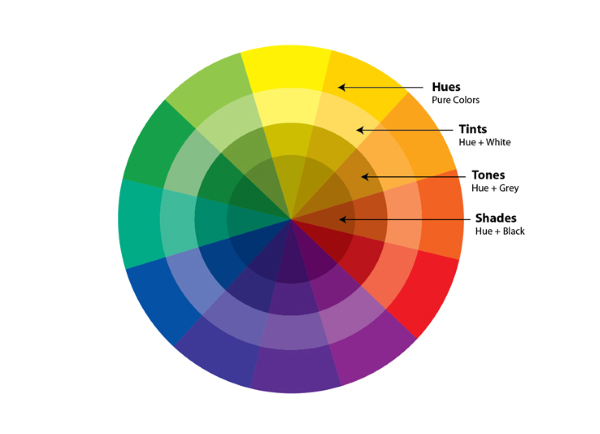
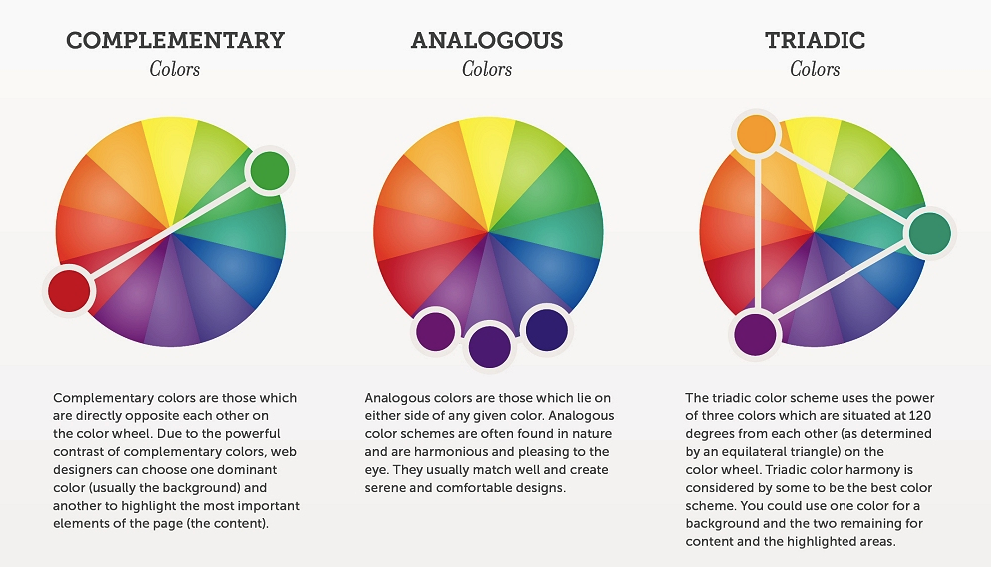
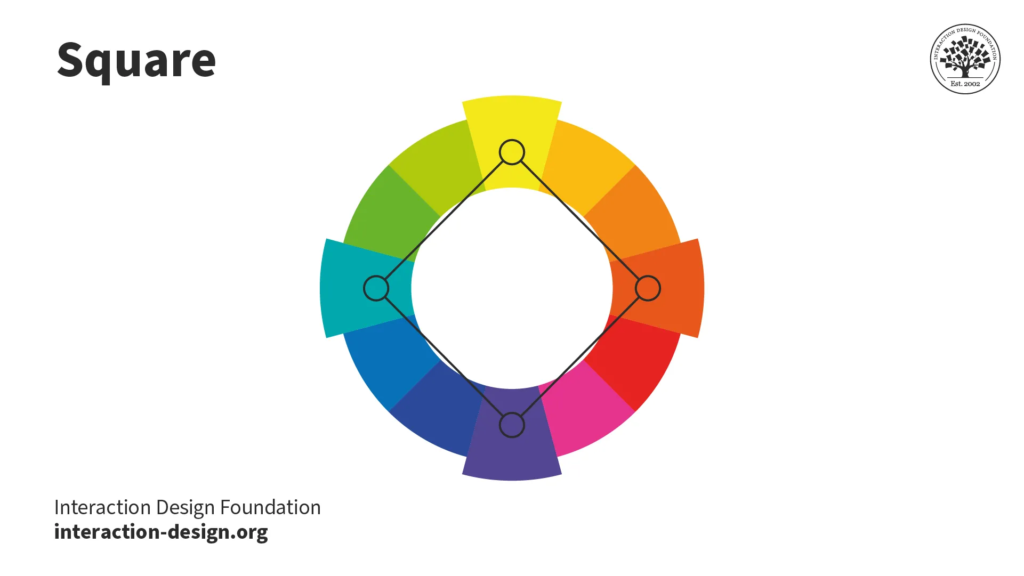
Exploring Color Harmony in Web Design: Creating Aesthetically Pleasing and Effective Interfaces In the realm of web design, color harmony plays a pivotal role in shaping user experiences, establishing brand identities, and conveying messages effectively. The thoughtful selection and arrangement of colors can significantly impact the overall aesthetics and usability of a website. In this article, we delve into the concept of color harmony, exploring its importance, principles, and practical applications in web design. Understanding Color Harmony Color harmony refers to the pleasing arrangement of colors in a design that creates a sense of balance and unity. Achieving harmony involves selecting colors that complement each other and arranging them in a way that is visually appealing. By leveraging principles of color theory and design aesthetics, web designers can create cohesive and engaging user interfaces. The Importance of Color Harmony in Web Design In the digital landscape, where users are inundated with information and stimuli, color harmony serves as a powerful tool to capture attention, guide navigation, and evoke desired emotions. A harmonious color scheme can enhance usability, improve brand recognition, and foster positive perceptions of a website. Principles of Color Harmony Several principles govern the creation of color harmony in web design: Practical Applications in Web Design Implementing color harmony principles in web design involves a series of strategic decisions: Conclusion Color harmony is a fundamental aspect of web design that influences user perceptions, interactions, and brand associations. By understanding the principles of color theory and applying them thoughtfully, designers can create visually captivating and functionally effective websites. Whether crafting brand identities, designing user interfaces, or enhancing accessibility, color harmony remains an indispensable tool for shaping digital experiences in the ever-evolving landscape of web design.
Color Harmony in Web Design Read More »