Author name: RC

Navigating the Future Emerging Jobs, Courses, Skills, and Business Trends

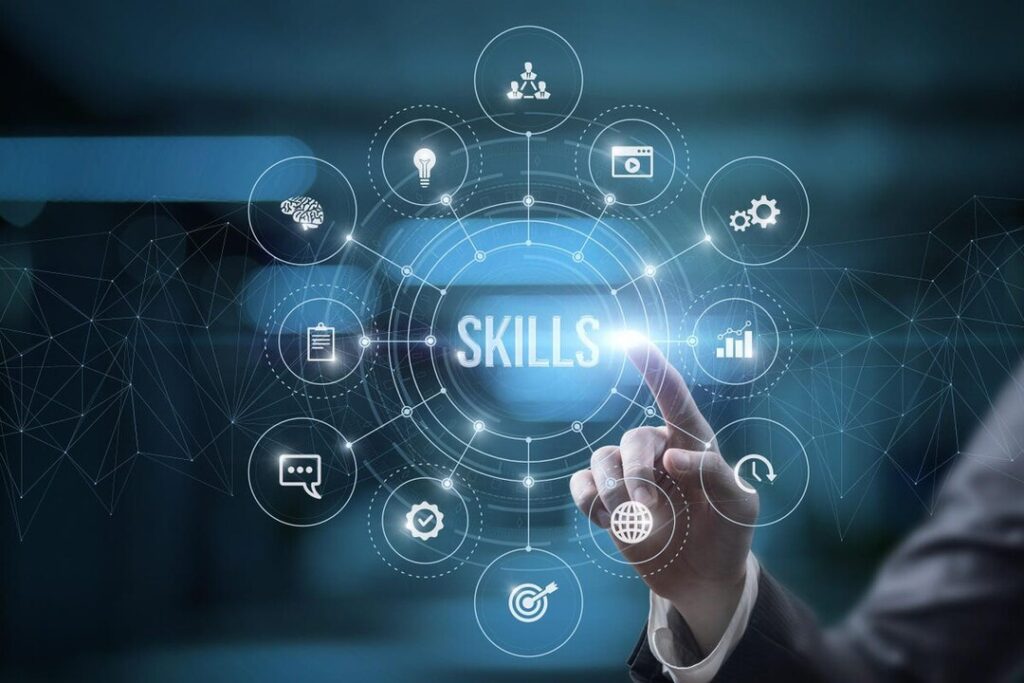
Navigating the Future: Emerging Jobs, Courses, Skills, and Business Trends Introduction: As we stand on the precipice of a rapidly evolving global landscape, the future of work is undergoing a profound transformation. Advancements in technology, shifts in consumer behavior, and the ongoing impact of global events are reshaping the employment landscape. To stay ahead in this dynamic environment, individuals and businesses alike must adapt by identifying and preparing for the most promising opportunities. In this article, we will explore the future demanding jobs, courses, skills, and business trends that are likely to define the professional landscape in the coming years. 1. Emerging Jobs: a. Data Analysts and Scientists:The exponential growth of data is creating a high demand for professionals who can analyze and derive meaningful insights from it. Data analysts and scientists play a crucial role in helping organizations make informed decisions, and this trend is expected to intensify as businesses increasingly rely on data-driven strategies. b. Artificial Intelligence and Machine Learning Specialists:With the continued integration of AI and machine learning across various industries, specialists in these fields will be in high demand. These professionals will be responsible for developing, implementing, and maintaining AI algorithms and systems. c. Renewable Energy Technicians:As the world grapples with the consequences of climate change, the renewable energy sector is gaining prominence. Jobs in solar and wind energy installation and maintenance are expected to see significant growth as the world transitions towards more sustainable energy sources. d. Healthcare Professionals:The healthcare industry is evolving, with an increasing focus on digital health, telemedicine, and personalized medicine. Jobs in healthcare analytics, telehealth, and genetic counseling are expected to be in high demand. e. Cybersecurity Analysts:As cyber threats become more sophisticated, the need for cybersecurity experts is on the rise. Organizations across sectors will seek professionals capable of safeguarding their digital assets and protecting sensitive information. 2. Relevant Courses: a. Data Science and Analytics Programs:Educational programs focused on data science, machine learning, and analytics are crucial for individuals looking to enter or advance in the fields of data analysis and artificial intelligence. b. Renewable Energy and Environmental Studies:Courses in renewable energy technologies, environmental science, and sustainable development will prepare individuals for careers in the growing green economy. c. Digital Health and Healthcare Informatics:With the increasing integration of technology in healthcare, courses in digital health and healthcare informatics will be valuable for professionals seeking to contribute to the transformation of the healthcare industry. d. Cybersecurity Certifications and Degrees:Given the rising threat landscape, certifications and degrees in cybersecurity are essential for individuals aspiring to become cybersecurity analysts and specialists. 3. In-Demand Skills: a. Adaptability and Learnability:The ability to adapt to new technologies and learn quickly is a crucial skill in an ever-changing job market. Employers will seek individuals who can stay agile and acquire new skills as needed. b. Critical Thinking and Problem-Solving:Automation may handle routine tasks, but human problem-solving skills remain indispensable. Critical thinking, creativity, and the ability to solve complex problems will be highly valued. c. Digital Literacy:As digital technologies become integral to every industry, basic digital literacy is no longer sufficient. Proficiency in advanced digital tools and technologies is essential. d. Emotional Intelligence:With an emphasis on collaboration and teamwork, emotional intelligence is becoming a sought-after skill. Individuals who can navigate interpersonal relationships effectively will be in high demand. 4. Future Business Trends: a. E-commerce and Digital Platforms:The continued growth of e-commerce and digital platforms will create opportunities for businesses to reach global markets. Companies that embrace digital transformation and online presence will have a competitive edge. b. Remote Work Solutions:The rise of remote work is likely to persist, and businesses that provide effective remote work solutions, from collaboration tools to virtual team-building activities, will thrive. c. Sustainable and Purpose-Driven Business Models:Consumers are increasingly conscious of sustainability and corporate social responsibility. Businesses that adopt sustainable practices and prioritize purpose-driven missions will attract both customers and top talent. d. Tech-Driven Innovation:Businesses that leverage emerging technologies such as AI, blockchain, and the Internet of Things (IoT) will be at the forefront of innovation. Investing in research and development will be crucial for staying competitive. Conclusion: In navigating the future professional landscape, individuals and businesses must remain proactive and adaptive. By identifying and preparing for emerging jobs, enrolling in relevant courses, acquiring in-demand skills, and aligning with future business trends, one can position themselves for success in the dynamic and evolving world of work. The key lies in embracing change, continuous learning, and a forward-looking mindset.

Navigating the Future Emerging Jobs, Courses, Skills, and Business Trends Read More »

Wish You 2024: Recognizing the Dominance of Artificial Intelligence

As the calendar turns its pages and the dawn of 2024 breaks upon us, it’s evident that we’re not merely stepping into another year but perhaps witnessing a transformative epoch in human history. With every year, our ambitions, technologies, and desires evolve. This year, more than any other, seems to be marked by the unmistakable dominance and impact of Artificial Intelligence (AI). Thus, as we pen down our wishes and aspirations for this year, it is paramount to recognize and address the centrality of AI in shaping our future. The Rise and Rise of AI Artificial Intelligence, once a figment of science fiction, has permeated every facet of our existence. From healthcare and finance to entertainment and education, AI’s algorithms, models, and systems have become ubiquitous. The sheer volume of data generated daily, coupled with advancements in machine learning and deep learning, has propelled AI from the fringes of technological wonder to the heart of global innovation. Wishes for 2024: A Year Dominated by AI Conclusion As we embark on the journey that is 2024, let us recognize the transformative potential of Artificial Intelligence. While AI presents unparalleled opportunities for progress and innovation, it also poses profound questions and challenges. By making informed, ethical, and visionary wishes for this year, we can harness the power of AI to shape a future that is inclusive, sustainable, and harmonious. Here’s to a year where AI truly belongs to all of humanity. This year belongs to Artificial intelligence

Wish You 2024: Recognizing the Dominance of Artificial Intelligence Read More »

What are the primary objectives of space exploration?

what is space exploration

What are the Primary Objectives of Space Exploration? Space exploration has captivated humanity’s imagination for centuries. From the early observations of the night sky to the ambitious missions launched by space agencies worldwide, the drive to explore the cosmos is deeply ingrained in our collective psyche. But what exactly are the primary objectives of this grand endeavor? This article delves into the multifaceted objectives behind space exploration. 1. Scientific Research and Discovery At the forefront of space exploration is the quest for knowledge. The vastness of space provides an unparalleled laboratory for scientists and researchers to study phenomena that are impossible or difficult to observe from Earth. Some key areas of scientific interest include: 2. Technological Advancement Space exploration drives technological innovation. The challenges posed by space travel have spurred the development of groundbreaking technologies that find applications beyond space missions. Some notable advancements include: 3. Human Expansion and Settlement The long-term vision of space exploration includes human expansion beyond Earth. Establishing permanent settlements on other celestial bodies, such as the Moon or Mars, could serve as a safeguard for humanity and facilitate the exploration of deeper space. Key objectives in this domain include: 4. Resource Utilization Space exploration aims to identify and exploit resources available in space. Asteroids, for example, are believed to contain valuable minerals and metals that could be mined for use both in space and on Earth. Objectives related to resource utilization include: 5. Inspiration and Education Space exploration serves as a source of inspiration for generations. The remarkable achievements and discoveries made in space have inspired countless individuals to pursue careers in science, technology, engineering, and mathematics (STEM). Objectives related to inspiration and education include: Conclusion Space exploration is a multifaceted endeavor driven by a myriad of objectives, ranging from scientific discovery and technological advancement to human expansion and education. As we continue to push the boundaries of what is possible in space, the objectives of exploration will undoubtedly evolve, reflecting humanity’s ever-growing curiosity and ambition to explore the unknown.

what is space exploration Read More »

Indian Education System Problems and Solutions

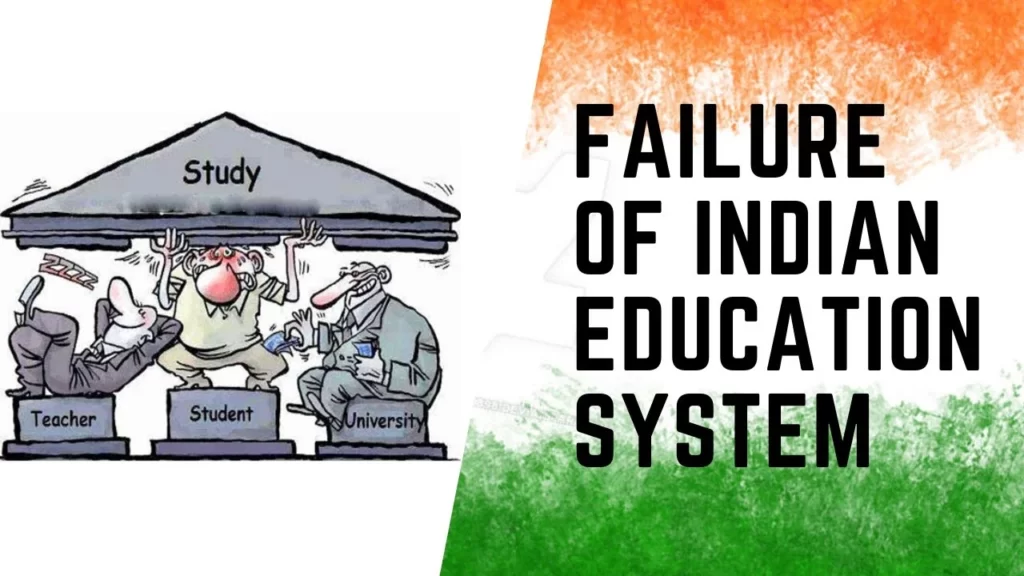
Indian Education System Problems and Solutions India, a nation with a rich cultural heritage and a burgeoning economy, has always placed a significant emphasis on education. Over the years, the country has made commendable strides in the field of education, but like any other system, it has its set of challenges. This article delves into the problems plaguing the Indian education system and proposes solutions to address them. 1. Problems in the Indian Education System a. Rote Learning:One of the most significant criticisms of the Indian education system is its overemphasis on rote learning. Students are often encouraged to memorize information without understanding the underlying concepts, leading to a lack of critical thinking and analytical skills. b. Outdated Curriculum:The curriculum in many schools and colleges is outdated and does not align with the needs of the 21st-century world. There is a need for a curriculum overhaul that emphasizes skill development, creativity, and innovation. c. Lack of Infrastructure:Many schools, especially in rural areas, lack basic infrastructure such as classrooms, libraries, and laboratories. This hampers the learning experience and affects the overall quality of education. d. Teacher Shortage and Quality:There is a significant shortage of qualified and trained teachers in many parts of the country. Moreover, the quality of teaching in some institutions is not up to the mark, affecting the learning outcomes of students. e. Examination Pressure:The emphasis on board examinations and entrance tests creates immense pressure on students, leading to stress and anxiety. This focus on exams often detracts from real learning and understanding. f. Inequality in Access:There is a stark disparity in access to quality education between urban and rural areas, as well as among different socio-economic groups. This inequality perpetuates social and economic disparities in society. 2. Solutions to Improve the Indian Education System a. Emphasis on Conceptual Learning:There should be a shift from rote learning to conceptual learning. Teachers should be trained to foster a deeper understanding of subjects among students, encouraging critical thinking and problem-solving skills. b. Curriculum Reforms:The curriculum needs to be updated regularly to reflect current global trends and requirements. There should be a greater emphasis on skill-based education, entrepreneurship, and vocational training. c. Investment in Infrastructure:The government and private sector should invest more in building and upgrading educational infrastructure, especially in rural and underserved areas. This includes the construction of schools, colleges, libraries, and laboratories. d. Teacher Training and Development:There should be a focus on continuous teacher training and professional development to enhance their teaching skills and knowledge. This can be achieved through workshops, seminars, and online courses. e. Holistic Assessment:Instead of relying solely on examinations, a more holistic assessment system should be adopted, which takes into account students’ overall performance, including projects, presentations, and practical skills. f. Digital Education:The integration of technology in education can bridge the gap between urban and rural areas and enhance the learning experience. Online resources, digital classrooms, and e-learning platforms can make education more accessible and interactive. g. Inclusive Education:Efforts should be made to ensure that every child, irrespective of their background or abilities, has access to quality education. This includes providing special education and support services for children with disabilities. Conclusion While the Indian education system has made significant progress over the years, there is still a long way to go in terms of addressing its inherent challenges and ensuring quality education for all. By implementing the proposed solutions and fostering a culture of innovation and inclusivity, India can build a robust and responsive education system that prepares its youth for the challenges and opportunities of the future.

Indian Education System Problems and Solutions Read More »

Indian Education System Problems

Indian Education System Problems

Indian Education System: Challenges and Concerns The Indian education system, a vast and diverse structure, is a crucial pillar that supports the nation’s progress and development. While it has seen significant growth over the decades, there remain several pressing challenges that hinder its full potential. This article delves into the problems plaguing the Indian education system and examines their implications. 1. Rote Learning vs. Critical Thinking One of the most pervasive criticisms of the Indian education system is its emphasis on rote learning. Students are often trained to memorize facts and figures rather than understand concepts. This approach stifles creativity, critical thinking, and problem-solving abilities. A system that prioritizes rote learning produces graduates who may excel in examinations but struggle in real-world scenarios requiring innovation and analytical skills. 2. Outdated Curriculum The curriculum, in many instances, remains outdated and irrelevant to the needs of the modern world. There’s a significant time lag between when changes occur in various fields and when they are incorporated into textbooks and syllabi. This lag means that students are often not exposed to the latest developments, technologies, or global perspectives. 3. Inadequate Infrastructure and Resources Many schools, especially in rural areas, lack basic infrastructure such as classrooms, libraries, and laboratories. Moreover, there is a severe shortage of qualified teachers, particularly in subjects like mathematics, science, and English. The absence of essential resources hampers effective learning and creates disparities in educational opportunities. 4. Assessment and Examination Pressure The examination-centric approach places undue pressure on students to perform well in standardized tests. This pressure can lead to stress, anxiety, and mental health issues. Additionally, the focus on exams often means that other aspects of a child’s development, such as sports, arts, and extracurricular activities, are neglected. 5. Inequality and Accessibility Despite various initiatives to promote inclusive education, disparities persist based on socio-economic status, gender, and geography. Many children, especially from marginalized communities, lack access to quality education. Moreover, the digital divide has become more pronounced with the shift towards online learning during the COVID-19 pandemic, further widening existing inequalities. 6. Lack of Vocational Training The emphasis on academic education often overshadows the importance of vocational and skill-based training. A significant proportion of students completes their formal education without acquiring practical skills relevant to the job market, leading to unemployment or underemployment. 7. Commercialization of Education The proliferation of private educational institutions, driven by profit motives, has led to the commercialization of education. High fees, coupled with the commodification of learning, have made quality education inaccessible to many. Moreover, the focus on commercial interests can compromise academic standards and ethical considerations. 8. Teacher Training and Development The professional development of teachers is often overlooked, leading to a lack of motivation, outdated teaching methods, and inadequate classroom management techniques. Continuous training and support are essential to equip teachers with the necessary skills and knowledge to effectively engage with students and adapt to changing educational landscapes. Conclusion While the Indian education system has made significant strides in expanding access and improving literacy rates, there remain profound challenges that need urgent attention. Reforms focusing on promoting critical thinking, updating the curriculum, investing in infrastructure and teacher training, and addressing inequalities are crucial to building a more inclusive, relevant, and effective education system for the future. It is imperative to prioritize education as a fundamental right and invest in its holistic development to nurture the next generation of informed, skilled, and empowered citizens.

Indian Education System Problems Read More »

The Indian Education System

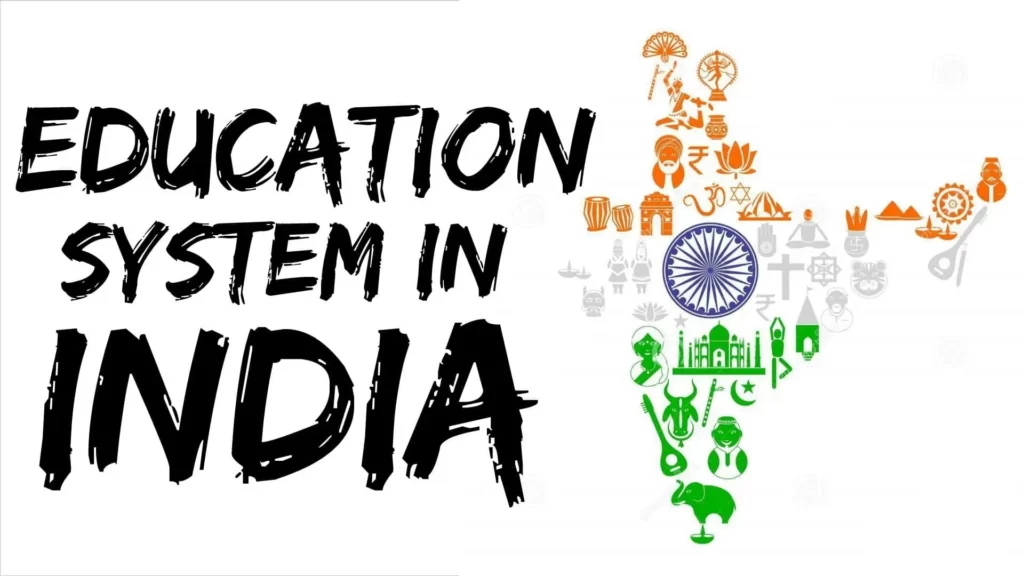
The Indian Education System: An Overview The Indian education system is one of the oldest and most diverse in the world. With a history that dates back thousands of years, it has seen numerous transformations, yet certain foundational elements remain intact. This article delves into the various facets of the Indian education system, tracing its evolution, discussing its structure, and examining its challenges and achievements. Historical Background India’s ancient educational institutions, such as Takshashila and Nalanda, were renowned centers of learning, attracting scholars and students from various parts of the world. These institutions emphasized a holistic approach to education, combining subjects like philosophy, mathematics, astronomy, and medicine. The Gurukula system, where students lived with their teachers in ashrams, also played a pivotal role in shaping the educational ethos of the country. Structure of the Modern Indian Education System Today, the Indian education system is broadly categorized into: Key Features and Challenges Strengths: Challenges: Recent Reforms and Initiatives In recent years, the Indian government has introduced several reforms to address the challenges faced by the education system: Conclusion The Indian education system, with its rich history and diverse structure, stands as a testament to the country’s commitment to knowledge and learning. While it has seen significant achievements and produced numerous scholars and professionals, there are areas that require attention and reform. With ongoing initiatives and a renewed focus on quality and relevance, the future of the Indian education system holds promise, aiming to empower the next generation with skills, knowledge, and values to navigate an ever-changing world.

The Indian Education System Read More »

Best Ways to Earn Money Online from Home

Best Ways to Earn Money Online from Home

Best Ways to Earn Money Online from Home The digital age has ushered in unprecedented opportunities for individuals to earn money from the comfort of their homes. Whether you’re looking for a full-time income source or just some extra cash, the online world is teeming with possibilities. Here’s a comprehensive guide on some of the best ways to earn money online from home. 1. Freelancing a. Writing & Content Creation: Websites, blogs, and online publications constantly require fresh content. If you have a knack for writing, consider offering services as a freelance writer, copywriter, or content creator. b. Graphic Design: With businesses moving online, the demand for graphic design services has surged. Platforms like Behance and Dribbble can help showcase your portfolio. c. Web Development: As the backbone of the digital world, web developers are always in demand. From simple website setups to complex web applications, there’s ample opportunity. 2. Online Tutoring & Consulting a. Academic Tutoring: If you’re proficient in subjects like mathematics, science, or languages, platforms like Chegg Tutors or Tutor.com can be lucrative. b. Skill-Based Coaching: Whether it’s music, art, or professional skills like digital marketing or coding, platforms like Udemy or Teachable allow you to create and sell courses. 3. E-commerce & Online Selling a. Dropshipping: Start an online store without holding inventory. Platforms like Shopify combined with Oberlo can help automate product sourcing and fulfillment. b. Handmade Crafts: Websites like Etsy are a haven for artisans and craft enthusiasts to sell unique handmade items. 4. Affiliate Marketing Promote products or services of other companies and earn a commission for every sale made through your referral link. Platforms like Amazon Associates or ClickBank offer vast product ranges to choose from. 5. Blogging & Content Monetization Starting a blog or YouTube channel on a niche topic can be a long-term investment. Once you’ve built a substantial audience, you can monetize through ads, sponsored content, or affiliate marketing. 6. Stock Photography & Videography If you have a passion for photography or videography, platforms like Shutterstock or Getty Images allow you to sell your work to a global audience. 7. Virtual Assistance & Online Services Businesses and entrepreneurs often require assistance with tasks ranging from administrative duties to digital marketing. Offer services like social media management, email handling, or customer support. 8. Online Surveys & Reviews While not as lucrative as other methods, websites like Survey Junkie or Swagbucks offer rewards for completing surveys, watching videos, or testing products. 9. Mobile App Development With the surge in mobile usage, developing a useful app can be profitable. Platforms like Google Play Store or Apple App Store offer avenues for app distribution. 10. Cryptocurrency & Stock Trading For those with a knack for finance and risk appetite, trading cryptocurrencies or stocks can be profitable. However, it’s essential to educate oneself thoroughly and be aware of the risks involved. Tips for Success: Conclusion: Earning money online from home offers flexibility, convenience, and vast potential. However, like any endeavor, it requires dedication, perseverance, and continuous effort. By leveraging your skills, staying informed, and embracing opportunities, you can carve a rewarding path in the digital realm.

Best Ways to Earn Money Online from Home Read More »

10 Free AI Tools for Graphic Designing

10 Free AI Tools for Graphic Designing In today’s digital age, graphic designing plays a pivotal role in various industries, from marketing to web development. With the advancements in Artificial Intelligence (AI), designers now have access to a wide array of free AI-powered tools that streamline their creative process, enhance productivity, and add a touch of uniqueness to their designs. In this article, we will explore ten such free AI tools websites for graphic designing that have revolutionized the way designers approach their craft. 1. Canva Canva is a popular web-based graphic design tool that empowers both amateurs and professionals to create stunning visuals effortlessly. It provides a user-friendly interface, a vast library of templates, images, and illustrations, and AI-driven features like automatic background removal, color palette suggestions, and design element recommendations. 2. Pixlr Pixlr is an online photo editing tool that offers a wide range of AI-powered features to enhance and modify images. With its AI background removal, one-click retouching, and creative filters, Pixlr allows designers to transform images and achieve professional-grade results with ease. 3. Gravit Designer Gravit Designer is a versatile vector design tool with AI-assisted features for graphic designers. Its AI-powered auto-layout feature, intelligent snapping, and responsive design capabilities enable designers to create adaptive and visually appealing designs for various devices. 4. Vectr Vectr is a free vector graphics editor that leverages AI to simplify the design process. It enables real-time collaboration among team members, offers intuitive controls, and assists designers in creating vector-based designs for logos, icons, and illustrations. 5. Crello Crello is an AI-driven graphic design platform that caters to non-designers and professionals alike. It provides a plethora of customizable templates, animated elements, and a vast library of images and videos, making it a go-to tool for creating engaging social media posts, presentations, and marketing materials. 6. Figma Figma is a cloud-based design tool that incorporates AI for collaborative design work. With its advanced AI-powered prototyping and design systems, Figma enables seamless collaboration between designers and developers, streamlining the design-to-development process. 7. Easil Easil is an AI-powered design tool that focuses on creating visually stunning content for social media, presentations, and marketing campaigns. Its drag-and-drop interface, AI-generated design suggestions, and automation features make it ideal for businesses and marketers seeking to produce professional graphics quickly. 8. Design Wizard Design Wizard is an AI-driven graphic design tool that stands out for its simplicity and ease of use. It offers a wide selection of templates, images, and videos, along with AI-powered tools for resizing designs to fit various social media platforms, saving time and effort for designers. 9. BeFunky BeFunky is an all-in-one creative platform that combines photo editing, graphic designing, and collage-making. With its AI-driven features like smart cutout, one-click effects, and automatic beautification, BeFunky simplifies complex design tasks and brings out the artist in everyone. 10. Vecteezy Vecteezy is a resourceful website that provides free vector graphics, icons, and illustrations for designers. While it doesn’t have a specific AI-powered tool, it’s worth mentioning for its extensive library, which designers can use as building blocks for their creative projects. Conclusion The world of graphic designing has been significantly impacted by AI, with numerous tools now available to designers at no cost. These ten free AI tools websites, such as Canva, Pixlr, Gravit Designer, Vectr, Crello, Figma, Easil, Design Wizard, BeFunky, and Vecteezy, have democratized graphic design by empowering both professionals and beginners with innovative features and seamless user experiences. Whether you’re creating social media graphics, logos, or presentations, these AI-powered tools are indispensable in enhancing creativity and efficiency in the graphic design workflow. Thank you all for taking the time to read my article!Your engagement and interest mean a lot to me.I hope you found the information helpful and insightful.

10 Free AI Tools for Graphic Designing Read More »

Omegle Shuts Down after 14 years

Omegle, a popular website that allowed people to chat, talk and interact with strangers from all over the world, has shut down after 14 years. The website’s owner- Leif K-Brooks, said he made the decision because “stress and expense of operating Omegle, and fighting its misuse – are simply too much.” Founded in 2009, Omegle was a platform that allowed users to interact with random people on the internet without having to reveal any details about themselves. The anonymous online chat service did not require users to register to chat, which might be one of the reasons why the service gained massive popularity. The online chat service saw an increase in usage during the COVID-19 pandemic, as many people were stuck in the vicinity of their homes and couldn’t talk or meet with others. Omegle users could choose if they want to engage with strangers via text, voice or videos. The platform also had an ‘Add your interests’ option where people could narrow down their search to meet people with similar interests. However, the online chat service often found itself in hot waters, with users often complaining about paedophilia, racism, abuse and sexism. In the last few years, Omegle has also seen a multi-fold rise in child sex abuse and nudity. While Omegle tried to fix the issue by introducing moderated chat rooms, working with law enforcement agencies and increasing the minimum age limit from 13 to 18 years, the problem was that there was no age verification process and most people engaged in nudity and racism faced no consequences. Omegle, a chat service that pairs users with a random person so they can talk via text or video, is shutting down. Leif K-Brooks, who launched the service when he was 18 years old, announced its closure and talked about its humble beginnings, as well as how it grew organically because “meeting new people [is] a basic human need.” While he didn’t delve into the specific reasons for Omegle’s shutdown, he admitted that “some people misused [the service], including to commit unspeakably heinous crimes.” Critics have raised concerns about the website’s safety over the past years, with some even calling it a “magnet for pedophiles.” In 2021, an American woman sued the website for pairing her with a person who coerced her into sending explicit images for three years, starting when she was just 11 years old. Her legal team said that the way the platform works allows it to become a “hunting ground for predators.” Last year, two men in the US were sentenced to federal prison for exploiting children they met on apps, including Omegle, forcing them to perform sexual acts and to send them explicit photos and videos. A BBC investigation also revealed a rise in cases of users exposing themselves on Omegle chat. These users included minors, because while the website is technically meant for use by people 18 and older, it has no age verification in place. In his farewell note, K-Brooks said he worked with law enforcement agencies, as well as “the National Center for Missing and Exploited Children, to help put evildoers in prison where they belong.” His website, he said proactively collected evidence against these people and tipped authorities to put them in jail. However, he said the fight against crime is “a never-ending battle” and that the “world has become more ornery” in recent years. He also said that there’s been “a constant barrage of attacks on communication services… based on the behavior of a malicious subset of users.” In the end, he found the “existing stress and expense of operating Omegle, and fighting its misuse” to no longer be sustainable, both financially and psychologically. “Frankly, I don’t want to have a heart attack in my 30s,” he added.

Omegle Shuts Down after 14 years Read More »

Scroll to Top

Search